
England’s 33–19 Win Over the All Blacks Was More Than an Upset — It Was a Warning to Australia
November 16, 2025

Sometimes a scoreline is just a number. Sometimes it’s a message. And sometimes, like England’s 33–19 win over the All Blacks at Twickenham, it becomes a flashing warning sign for anyone who’s been coasting.
This wasn’t a fluke win or a lucky bounce. England were not supposed to overpower New Zealand. They weren’t supposed to look calm, structured, and ruthless after going 12–0 down. Yet they did — and in doing so, they shook assumptions across the rugby world.
For Australian fans — and especially for anyone still hoping the Wallabies are “not that far off” — the real headline is this: the gap is closing, but not the way we hoped.
This wasn’t just about England beating the All Blacks. It was about proof that everything can change when a team stops accepting excuses and starts demanding standards.
Where to Watch the Replay (33-19 Twickenham)
Australian viewers can catch full match coverage and replays on official rugby platforms. Click the platform name to go directly to the stream page:
England Didn’t Just Win — 33-19 Twickenham
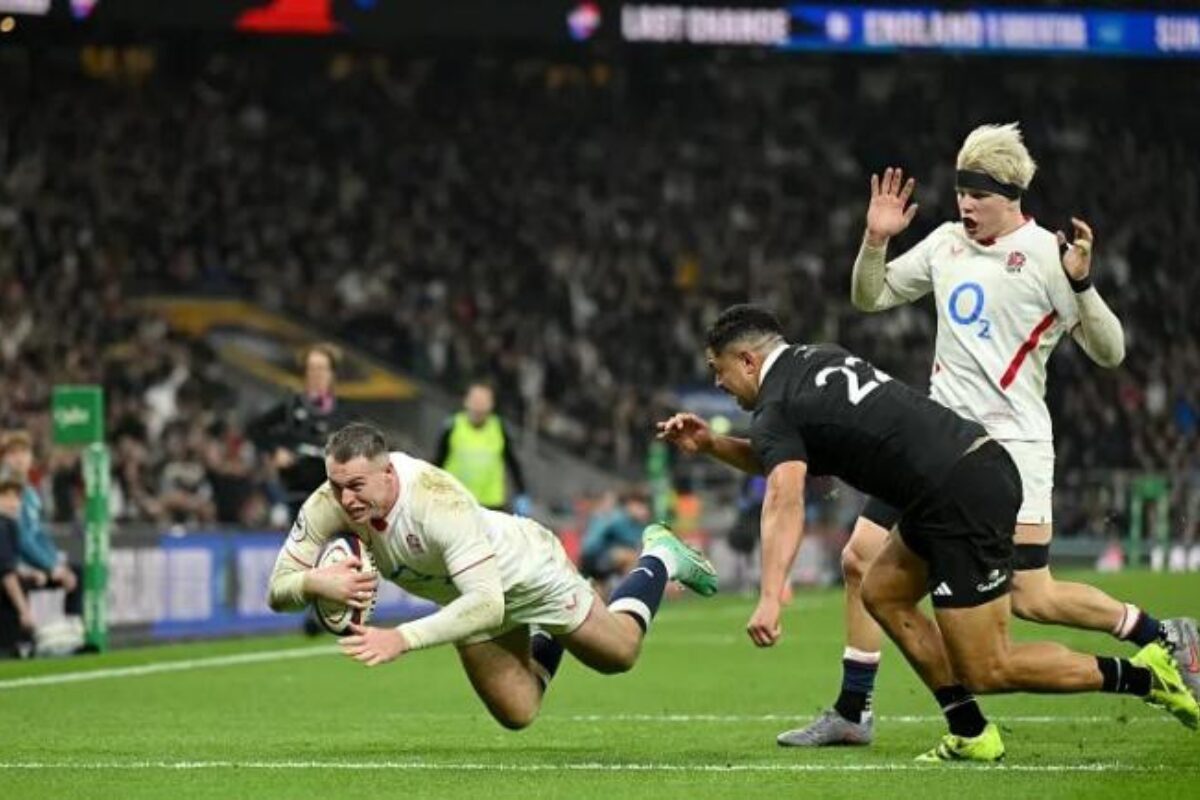
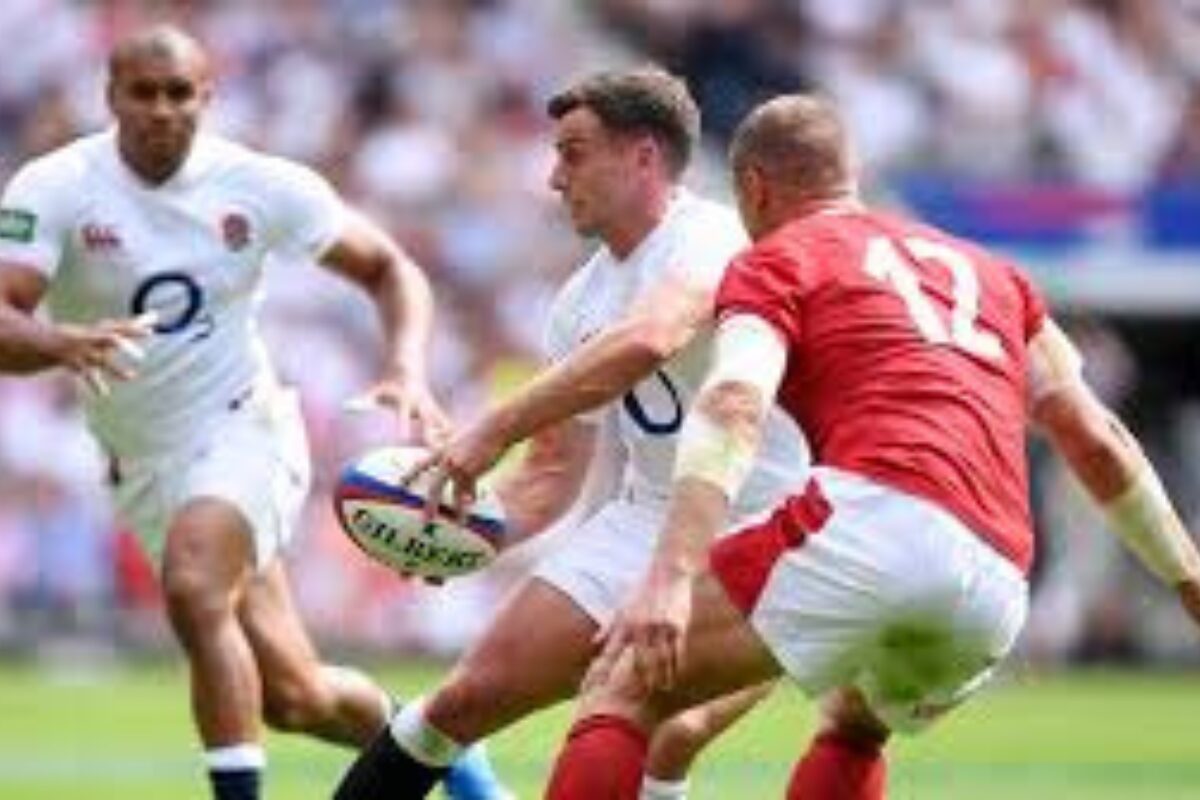
It’s easy to say the All Blacks “had an off day.” But that ignores the truth — England forced the collapse. They survived the early pressure, then took control, shifted tempo, and never let go again.
The Guardian called it “an afternoon where England looked like the side with history on their side.”
That’s the part that should unsettle Australia.
The Performance Blueprint Australia Keeps Talking About : 33-19 Twickenham
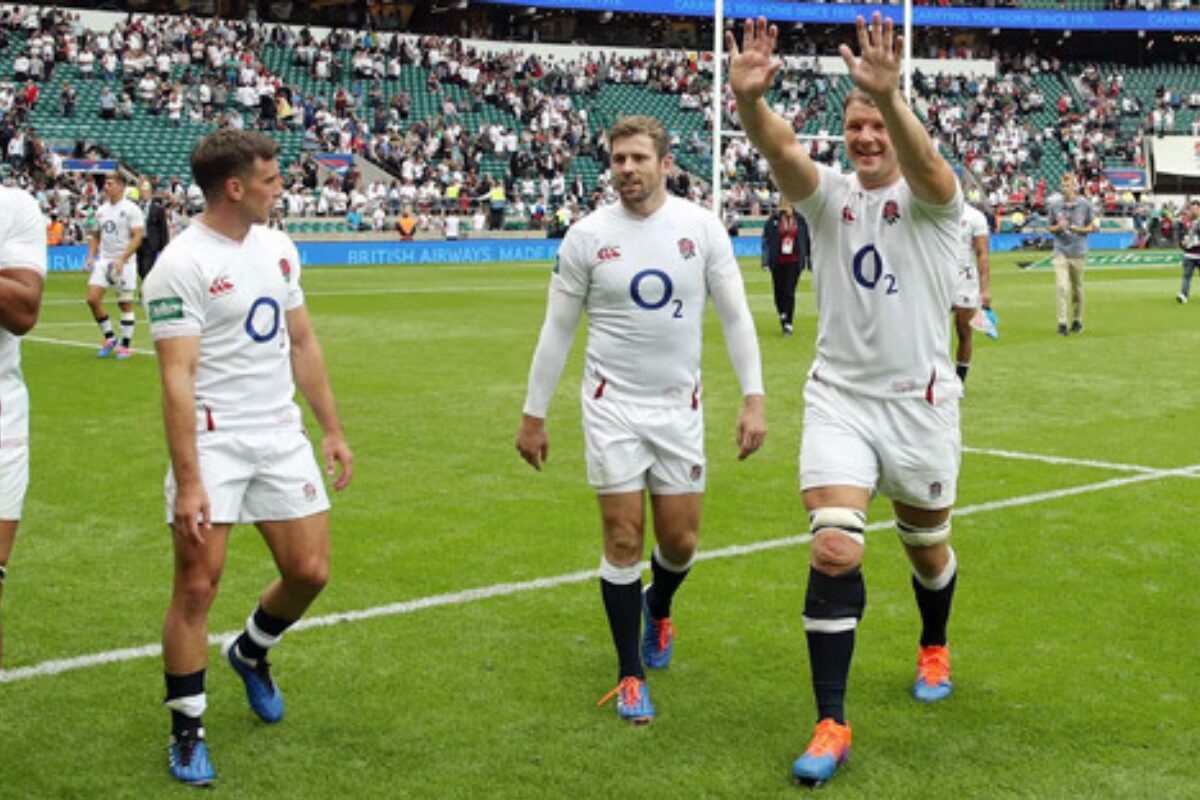
People always say Australia needs structure, composure, adaptability — all the buzzwords. England actually did it. They didn’t just “try to play their game.” They made the All Blacks play out of theirs.
Here’s how the key shift unfolded:
This wasn’t luck. This was execution under pressure — the same thing Australia has struggled to produce consistently.
George Ford Didn’t Just Lead — 33-19 Twickenham
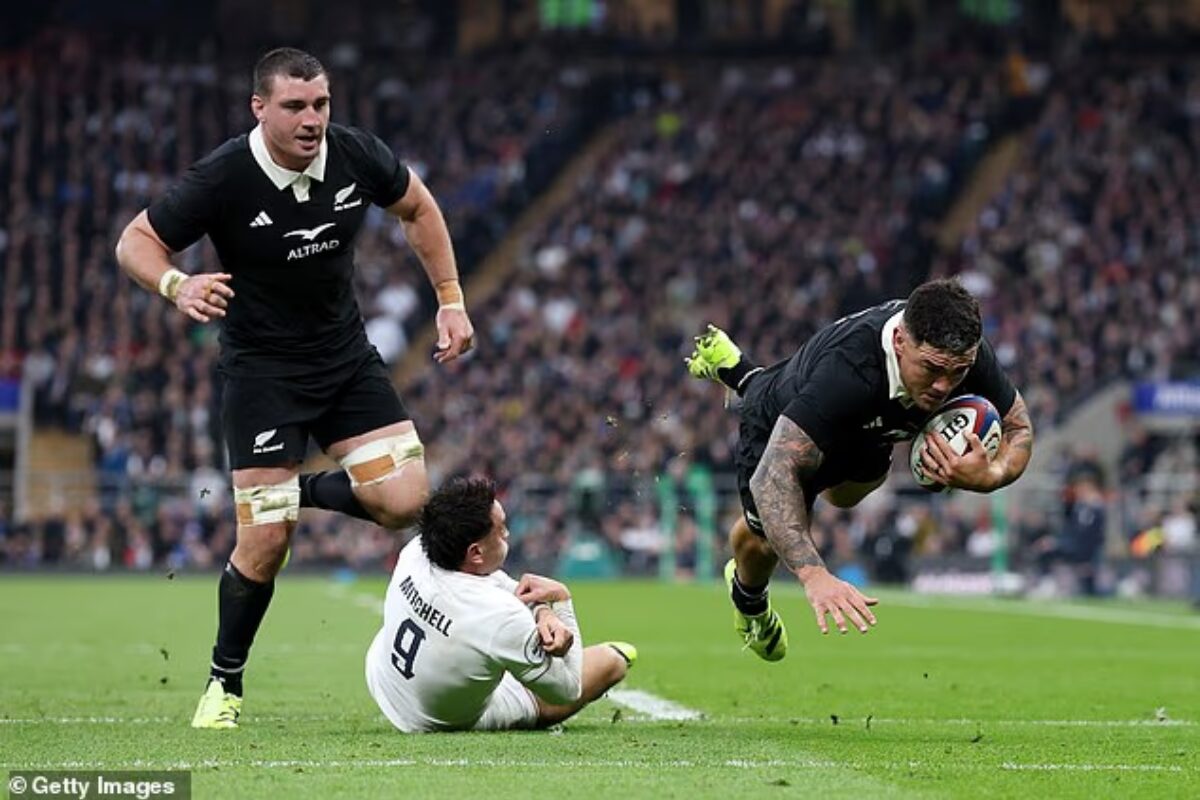
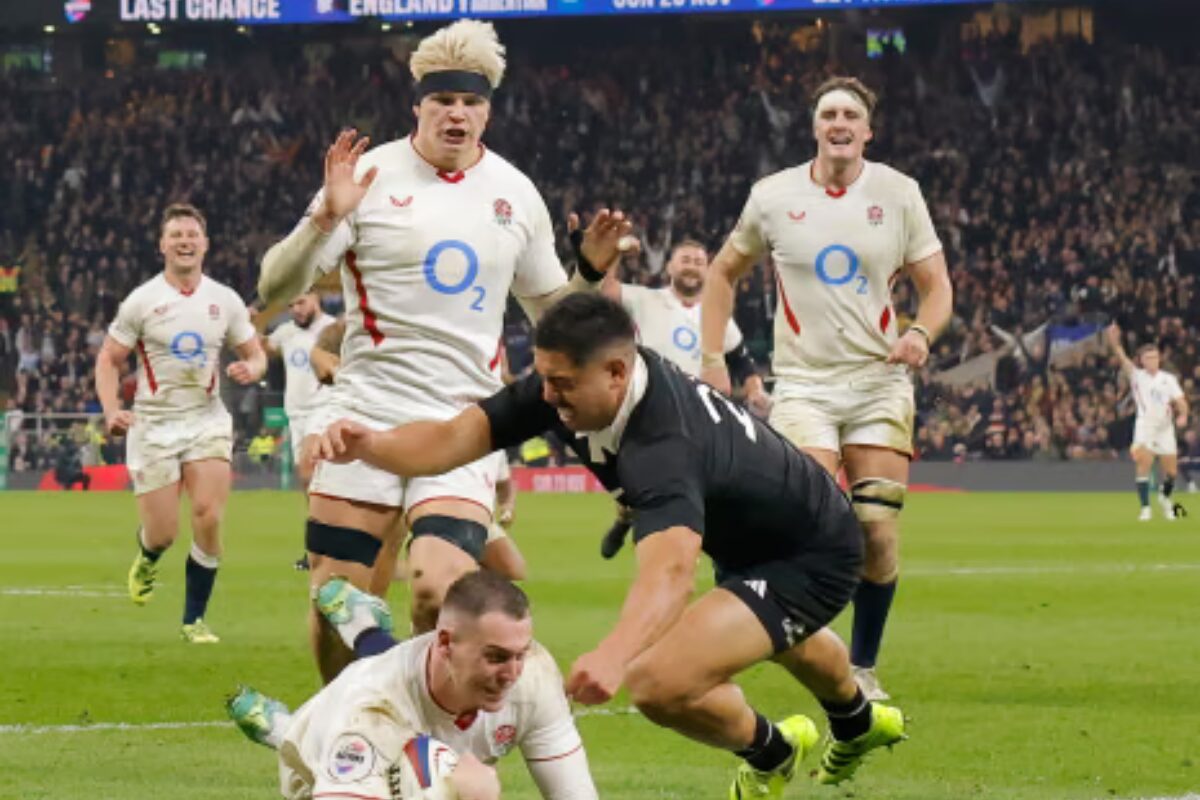
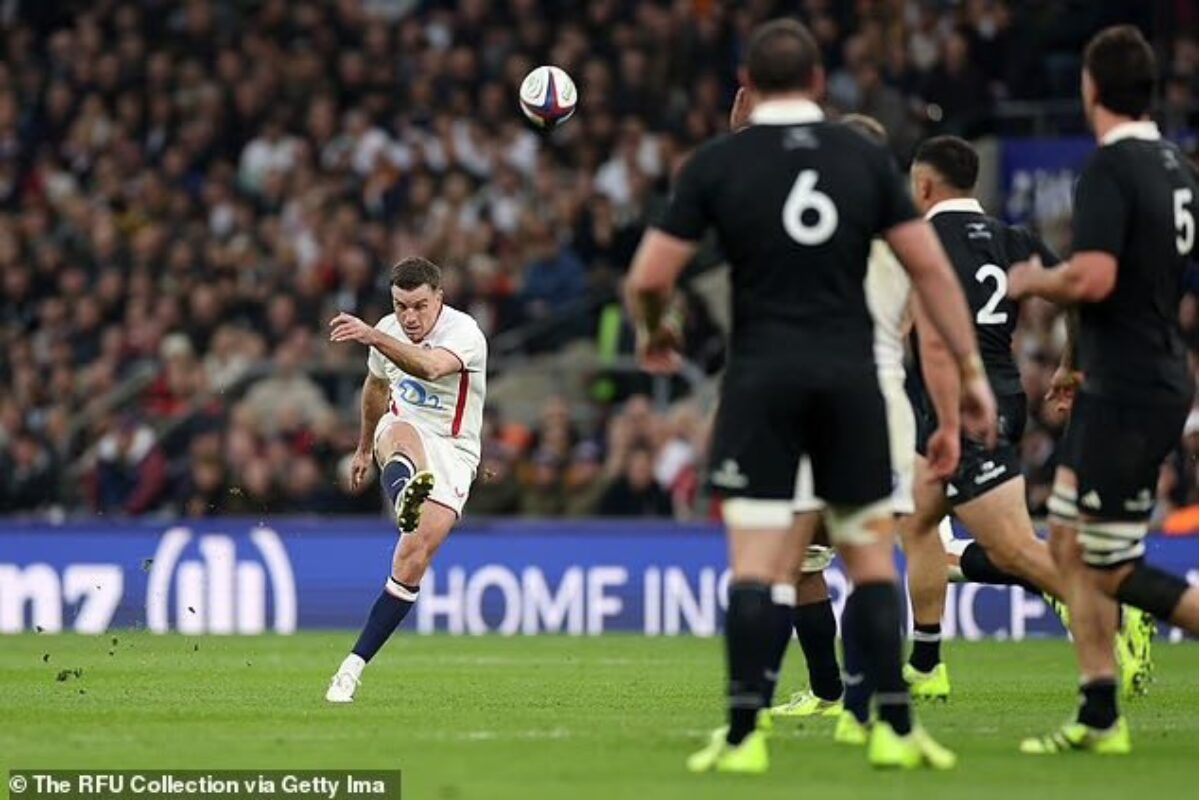
Yes, it’s fashionable to praise the fly-half in a win like this. But Ford didn’t just manage the game — he controlled its oxygen supply. Two drop goals, flawless kicking, and calm distribution under fire changed everything.
It wasn’t flashy, chaotic. It was intelligent. That’s the bit Australian rugby keeps saying it wants but rarely achieves. The Guardian
While we chase highlight moments, England built a platform. While we talk about heart, they used structure.
What the All Blacks Collapse Really Means

For years, teams feared the All Blacks because they didn’t blink. They punished panic. But this time, they were the ones who blinked.
A yellow card. A breakdown in shape. A loss of midfield rhythm. Then a scoreboard spiral.
For Australia, this matters because it shows the All Blacks aren’t invincible anymore — but it also shows what it takes to beat them.
Beating NZ is not about passion or slogans. It’s about pressure, accuracy, and patience. That’s a rugby language Australia understands only in bursts.
The Aussie Lesson: Time Is Running Out


We’ve spent years saying “give us time.” But England just proved that time means nothing without intention.
If we want to be competitive again — truly competitive — we need:
- Real structure, not hopeful structure
- Leaders who steady the game, not energise chaos
- Systems that hold up under stress
- A plan that doesn’t collapse after one error
England were 12–0 behind. They didn’t panic and reset. They executed.
Would the Wallabies do the same? Right now, no one can say yes with confidence.
England’s 33–19 win over New Zealand was not a random upset — it was a statement. A shift. A reminder that the rugby hierarchy is cracking, and the teams who move first will set the new order.
For Australia, this is a mirror more than a result. Because if England can climb back after years of inconsistency and reclaim belief, then excuses aren’t our shield anymore.
The All Blacks dropped. England rose. We can no longer assume the Southern Hemisphere will carry us by default.
The warning is right there — 33–19.
The question now is: what will we do with it?