
Why Forest’s 3–0 Win Exposed Liverpool’s Systemic Flaws: A Full Breakdown of the Anfield Setback
November 23, 2025

Liverpool’s 3–0 defeat to Nottingham Forest felt like more than a bad night at home — it offered a clearer lens into the structural issues fueling the ongoing Liverpool crisis explained debate. Liverpool entered the match needing stability after a run of damaging results, yet Forest’s organised and direct approach magnified everything that has looked uncertain in Liverpool’s performances lately.
Instead of being overawed by the venue, Forest approached the occasion as an opportunity. Their discipline without the ball, their commitment in duels, and their precision in transitions repeatedly disrupted Liverpool’s rhythm. This guide explains how that happened — breaking down the match as a sequence of patterns rather than isolated events.
How Forest’s Setup Targeted Liverpool’s Most Vulnerable Areas
Forest did not press recklessly. Instead, they set the rhythm of the match by allowing Liverpool predictable possession, only engaging once Liverpool circulated into zones Forest could compress. It was a strategy aimed at forcing Liverpool wide, slowing their tempo, and daring them to play through crowded central areas.
Forest’s structure revolved around:
- Two tight midfield lines limiting central entry passes
- Aggressive stepping-out duels from Murillo
- Williams providing width as both an outlet and a disruptor
- Long-ball transitions into areas behind Robertson and Alexander-Arnold’s side
Liverpool attempted to respond with rotations involving Gravenberch dropping deeper and Szoboszlai drifting into half-spaces, yet these adjustments didn’t unsettle Forest’s shape. Instead, they made Liverpool’s attacks slower and more predictable.
Tactical Contrast: Where Each Team Found Control
| Phase | Liverpool | Forest |
|---|---|---|
| Opening 20 Minutes | Controlled possession with little impact | Stable defensive shape, patient approach |
| Late First Half | Struggled to connect midfield to attack | Threatened on counters and set-pieces |
| Second Half | Lost defensive shape after restart | Clinical finishing, sustained momentum |
Forest didn’t dominate the ball — they dominated the moments.
Goal Sequences: What Each Forest Goal Says About Liverpool’s Structure – Liverpool crisis explained
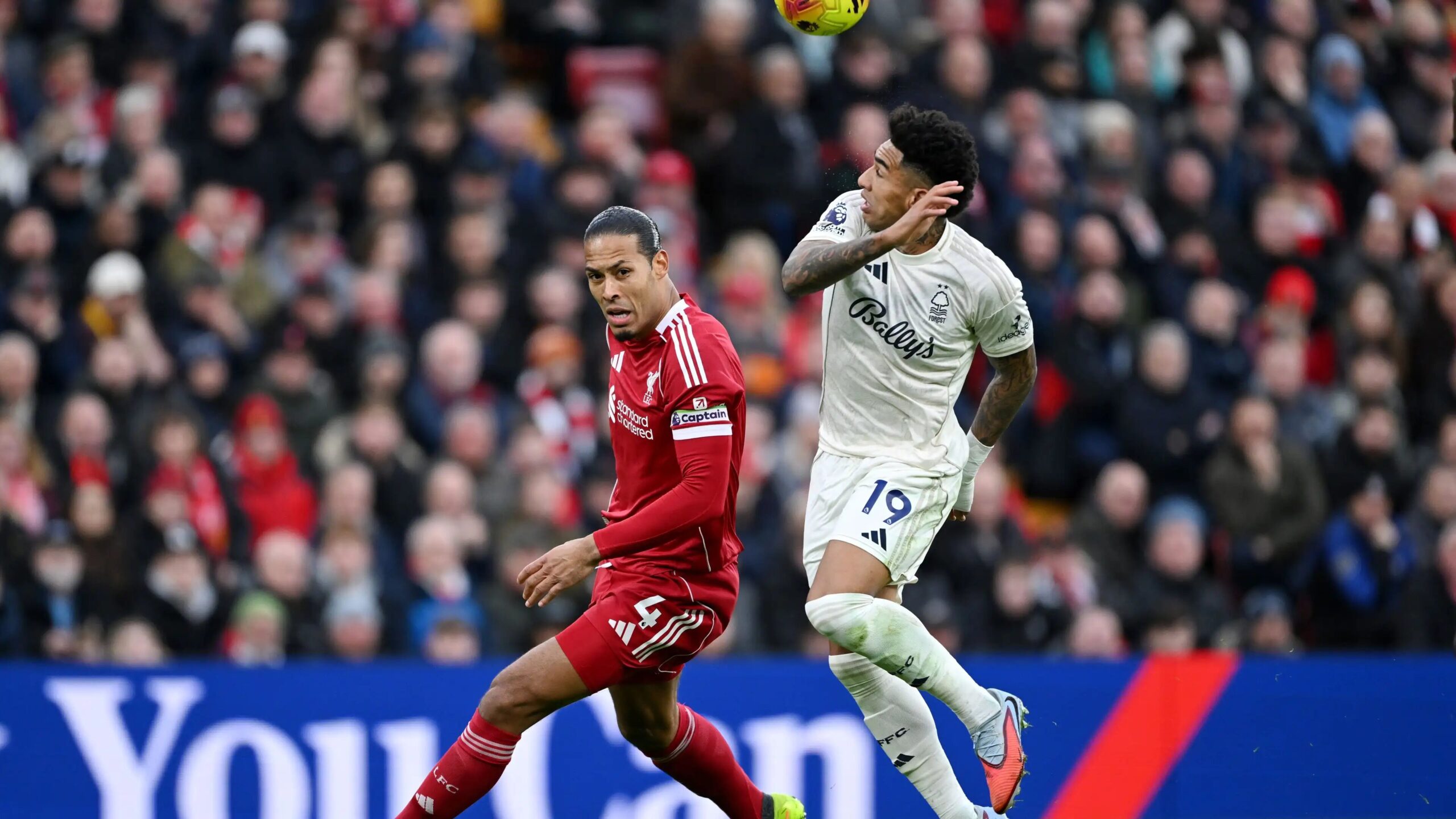
The match’s defining moments showcased how Liverpool’s structure unraveled under pressure. The opening goal stemmed from a familiar issue: difficulty defending second phases from set pieces. Murillo reacted quickest as Liverpool hesitated, and with Ndoye close to Alisson’s line of sight, VAR became part of the story again — yet the goal stood, adding to the tension.
The second goal highlighted Liverpool’s most worrying trend: losing control of transitions after turnovers. Within 39 seconds of the second half kicking off, Williams breezed into open space, and Savona arrived untracked to finish. It exposed a momentary lapse, but also a deeper issue with coordination between Liverpool’s midfield and back line.
Forest’s third goal reflected the erosion of Liverpool’s defensive confidence. Hutchinson drove forward, won a duel, and forced a save that Gibbs-White converted on the rebound. It was a simple sequence — but one that unveiled issues with one-on-one defending, recovery runs, and spatial awareness.
Player Execution: Where Roles Broke Down and Why Forest Looked Cohesive
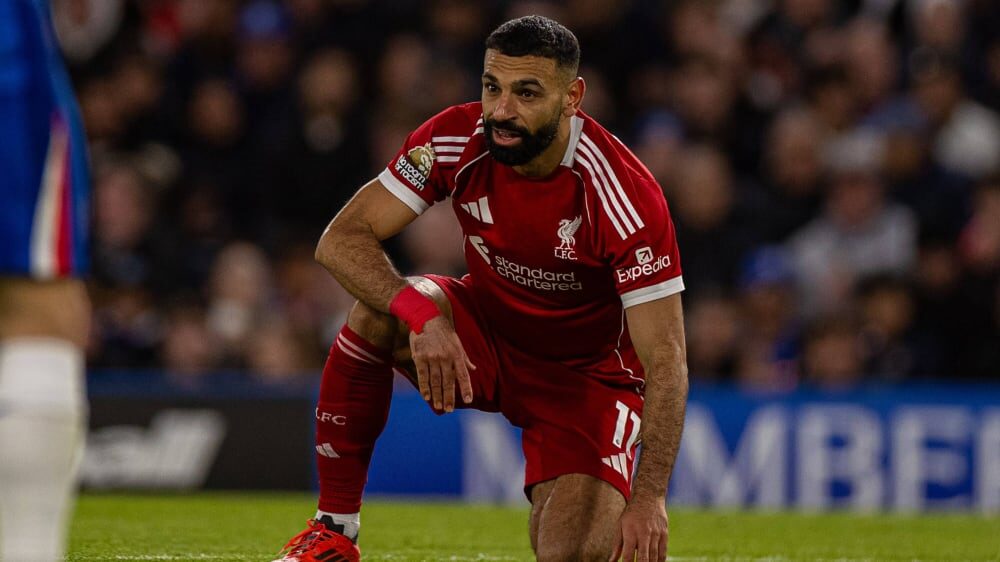
Liverpool’s performance lacked connection between roles. Salah looked dangerous in the first 15 minutes, but once Forest shut off the central pockets, his involvement faded. Isak struggled again, unable to hold possession under pressure or threaten behind. Van Dijk and Konaté were busy but not always aligned in their positioning, often dragged into wide areas they couldn’t fully control.
Forest’s cohesion stood out because every key player executed a clear role:
- Murillo won duels early, setting the tempo
- Williams carried the ball into dangerous areas repeatedly
- Savona exploited Liverpool’s slow tracking
- Gibbs-White played between lines, showcasing control and awareness
These examples showed how Forest’s roles complemented one another, while Liverpool’s overlaps and rotations felt disconnected.
Liverpool’s statistical profile reinforced the disconnect:
- 74% possession
- Minimal chances created
- Six losses in the last seven league games
- First back-to-back 3+ goal home defeats since 1965
This wasn’t a dip in finishing — it was a breakdown in construction.
What This Match Reveals About Liverpool’s Tactical Identity Right Now – Liverpool crisis explained
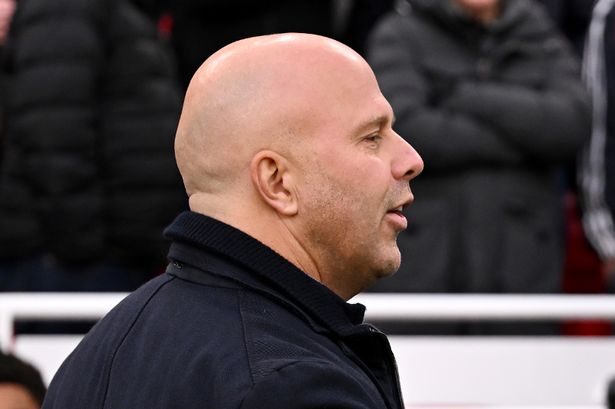
Slot’s efforts to blend structured possession with transitional pressure have shown promise in moments, but matches like this underline where the model is still incomplete. Pressing lines were inconsistent, leaving Forest’s full-backs too much time to judge their options. The midfield lacked compactness, which created space for Forest’s runners. And the defensive line reacted too late to direct balls, especially when the first duel was lost.
This match explained several key issues:
- Liverpool’s central block is too easy to bypass
- The team struggles to shift from organised shape into pressing phases
- Wide channels become exposed when midfielders step out too early
- Set-piece organisation remains a recurring weakness
Forest didn’t reinvent the wheel — they simply targeted Liverpool’s soft spots with clarity.
Conclusion: Why This Defeat Feels Like a Key Chapter in Liverpool’s Season – Liverpool crisis explained
Forest’s 3–0 win at Anfield served as one of the clearest illustrations of Liverpool’s current challenges. It showed how vulnerability in transitions, unclear role execution, and gaps between defensive lines are shaping the Liverpool crisis explained narrative more than isolated errors ever could.
For Liverpool, the defeat was a reminder that possession alone doesn’t guarantee control. For Forest, it confirmed the value of structure and cohesion. As the season continues, this match may be remembered not just as a shock result — but as the moment where Liverpool’s need for structural recalibration became unavoidable.