
40 Aces and Still a Loss? The Inexplicable Collapse of Alexei Popyrin
January 19, 2026

Alexei Popyrin Australian Open – There is a specific kind of frustration reserved for watching Alexei Popyrin. On Monday night at John Cain Arena, he delivered what should have been a statistical masterpiece. Forty aces. Let that sink in. In the modern game, that many free points usually translates to a straight-sets handshake and a post-match shower before the stadium lights even dim. Instead, it became the most expensive statistical outlier in recent memory. The Alexei Popyrin Australian Open narrative has shifted from “rising star” to a cautionary tale about why raw power is useless without the mental edge to apply it when the score reaches 30-all.
When “On the Racquet” Becomes a Liability – Alexei Popyrin Australian Open
The most infuriating part of the loss to Alexandre Muller wasn’t just the result; it was the proximity to victory. Popyrin didn’t get blown off the court; he essentially handed the keys to the Frenchman. In the fourth set, leading 4-2, and in the tiebreak, leading 5-2, the match was—as analysts love to say—on his racquet. But having the match on your racquet is only an advantage if you don’t use that racquet to spray unforced errors into the stands.
| The Match Chapter | Popyrin’s Dominance | Muller’s Resistance |
|---|---|---|
| Opening Act | 6-2 (Clinical Power) | Struggling for Rhythm |
| The Middle War | 40 Aces Fired | Impeccable Counter-punching |
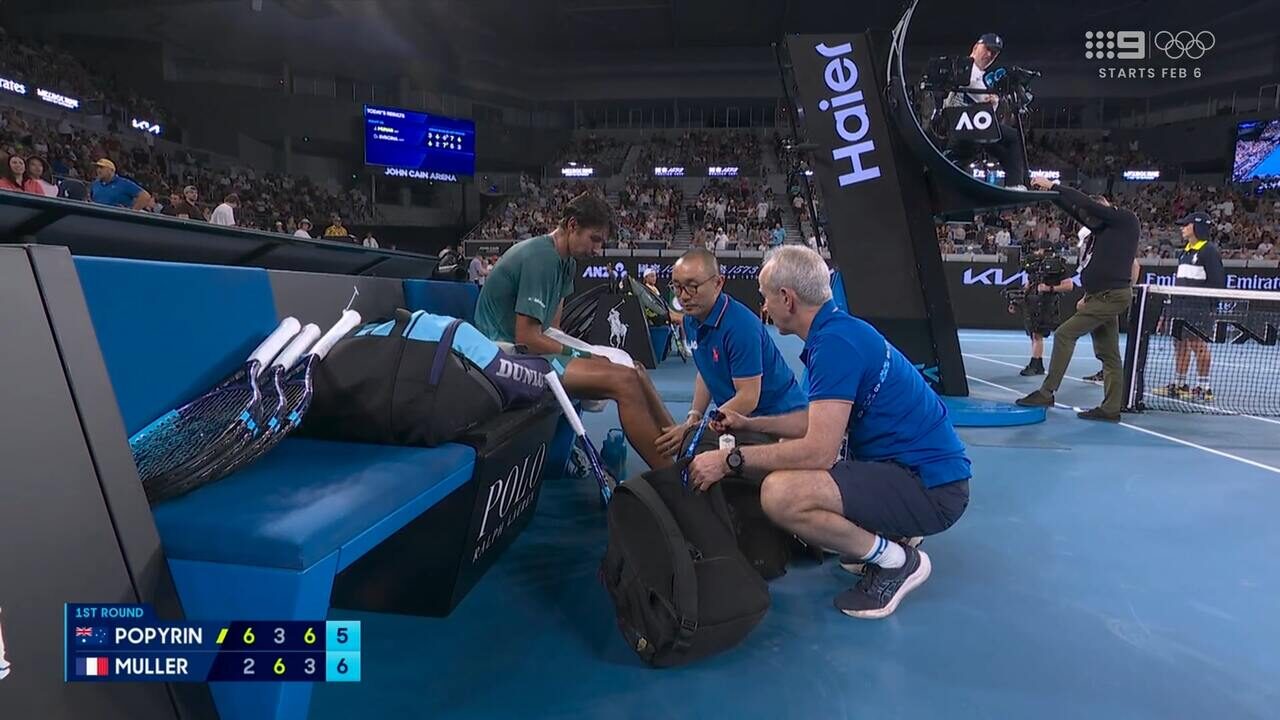
| Physical Toll | Medical Timeout (Calf) | High Mental Fortitude |
| Final Resolution | 4-10 (Super Tiebreak) | Tactical Consistency |
The “Muller Wall” and the Mental Performance Gap
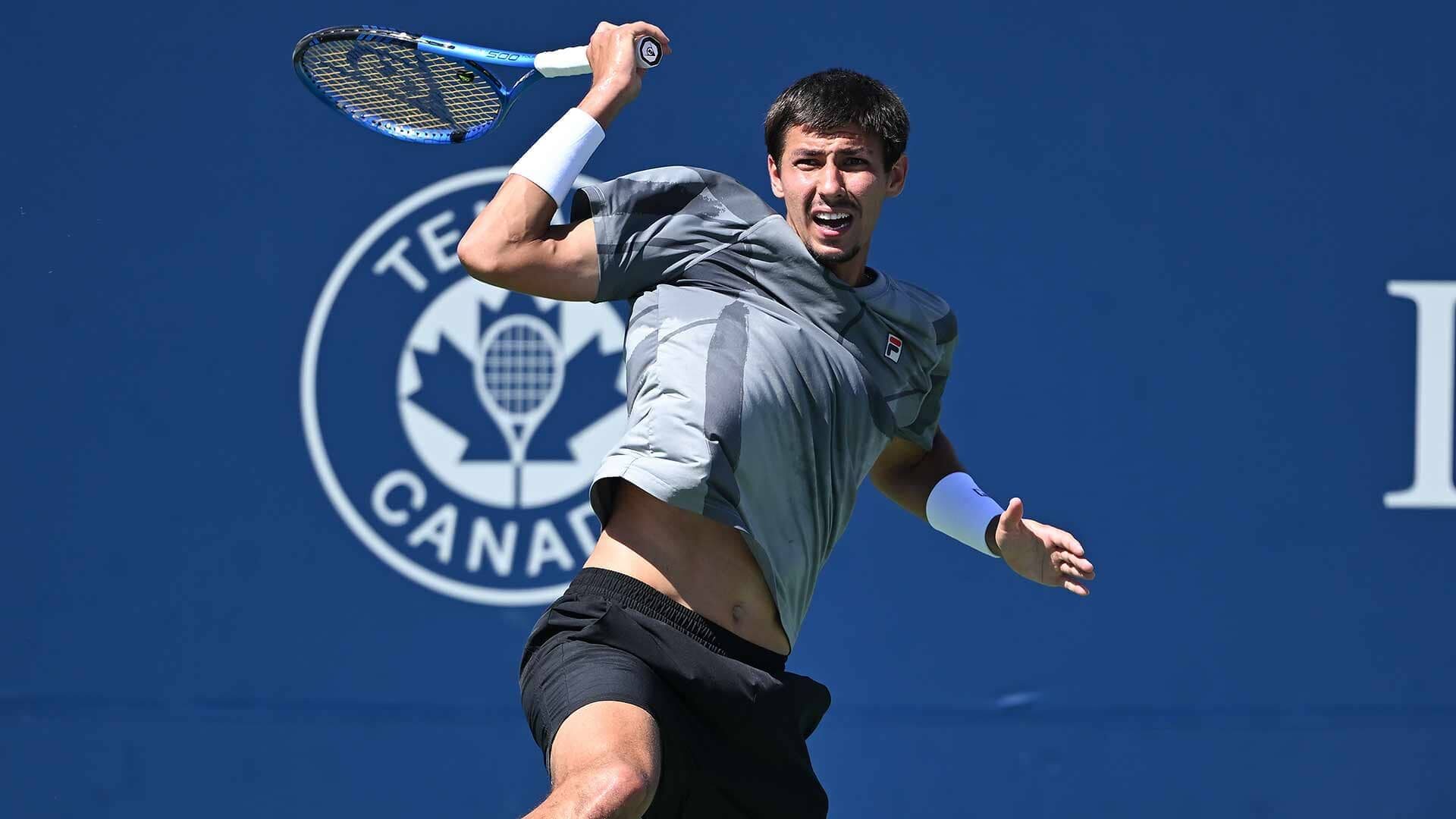
Let’s be honest: Alexandre Muller did not win this match with spectacular tennis. He won it by being a human backboard and watching Popyrin implode. While the Frenchman deserves credit for his “magnificent mental performance,” his game plan was essentially a survivalist’s prayer. He neutralized the Popyrin tennis storm by deep-positioning and trusting that if the rally went past six shots, the Aussie would eventually blink. It’s a blueprint that every grinder on the ATP Tour is now using against Popyrin, and until he finds a “Plan B” that doesn’t involve hitting the felt off the ball, his ranking will continue its southward trek.
Technical Glitches and the Injury Excuse – Alexei Popyrin Australian Open

There’s been a lot of talk about the “audio drama” delay and the medical timeout for Popyrin’s calf. While a 10-minute stadium glitch is annoying, and a tightening leg is a physical hurdle, elite players find ways to navigate these frictions. Relying on external factors to explain why a match slipped away at 5-3 in the fifth set is a dangerous trap.
- The Audio Delay: Yes, it broke the rhythm, but it applied to both sides of the net.
- The Medical Timeout: Popyrin was still hitting 130mph serves after the treatment.
- The “Cool Head”: Lleyton Hewitt has often talked about Popyrin’s potential, but that potential is currently being suffocated by a lack of tactical discipline.
The Post-Montreal Hangover is Now a Crisis
We need to stop talking about that 2024 Montreal title and the win over Djokovic like they happened yesterday. That was a different player. The version of Alexei Popyrin 2026 we saw in Melbourne is a man stuck in a seven-match losing streak that dates back to the 2025 US Open. Dropping from world No. 19 to No. 50 isn’t just a “rough patch”; it’s a structural collapse in confidence. While teammates like Jordan Thompson and Rinky Hijikata found ways to grind out wins on the same day, Popyrin looked like a player who expected his serve to do all the heavy lifting for him.
Conclusion: Can Popyrin Reclaim the Magic?
The Alexei Popyrin Australian Open exit is a wake-up call that the Australian tennis community cannot ignore. Power is a gift, but in the five-set format, it’s often the player who manages their mistakes better who walks away with the win. If Popyrin wants to avoid a total freefall in the rankings during the upcoming swing through Dubai and Indian Wells, he has to stop relying on the “Big Serve” crutch and start winning the ugly points. The 2026 season is still young, but the clock is ticking on his status as a top-tier threat. It’s time for the “Hammer” to find some finesse.