
From Demos to Dominance: The Chronological Rise of Steam’s No-Cost Economy
February 9, 2026

The landscape of digital distribution was once defined strictly by premium price tags and physical discs. However, the rise of Free Games in Steam represents a seismic shift in how software is consumed and maintained over time. In the early days of the platform, “free” usually meant a limited trial or a simple modification of an existing game. Today, that concept has blossomed into a sophisticated ecosystem where the world’s most-played titles require zero upfront investment. This evolution reflects a broader industry trend toward service-based gaming, where long-term community health is valued more than a single day-one transaction.
Milestones in the History of No-Cost Play
Tracking the progression of the storefront reveals a series of pivotal moments that redefined player expectations. From the legendary “Uber Update” that changed the trajectory of team-based shooters to the modern explosion of the battle royale genre, each era brought new ways to experience high-quality content without a traditional purchase.
| Era | Key Development | Iconic Example | Long-term Impact |
|---|---|---|---|
| Early Years | Mod culture and Demos | Team Fortress 2 (Pre-2011) | Established the F2P baseline |
| The MOBA Boom | Massive competitive scaling | Dota 2 | Normalized cosmetic-only shops |
| The BR Surge | Survival mechanics for all | Apex Legends | Popularized the Battle Pass model |
| Modern Indie | Viral narrative “Gifts” | Helltaker | Proved “Free” works for solo games |
Strategic Growth of Free Games in Steam
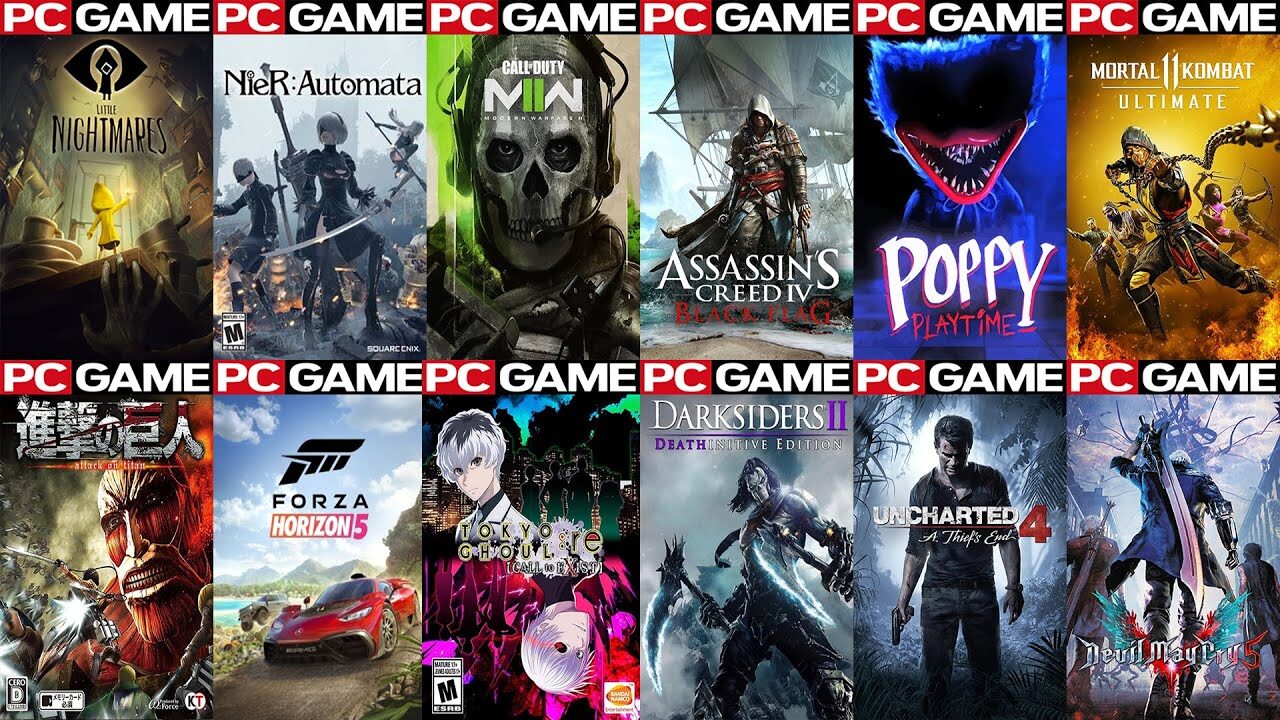
As the platform matured, the methods for acquiring games for $0.00 became increasingly diverse. We transitioned from a time when players only looked for Steam F2P tags to a modern era where “Free to Keep” promotions are a weekly occurrence. This progression has allowed the Steam library of free indie and AAA games without payment to grow into a massive archive of over 8,000 titles. Developers discovered that giving a game away—whether permanently or via a “Free Weekend”—often generates more revenue through word-of-mouth and DLC sales than a standard retail launch ever could.
- Free to play games on Steam with no download cost now feature production values that rival the biggest blockbusters of the 2010s.
- Top-rated free multiplayer games on Steam for PC have evolved from niche mods into multi-million dollar esports.
- New free to play releases on Steam this month continue to push boundaries with cross-platform play and cloud integration.
Changing Patterns in Player Engagement
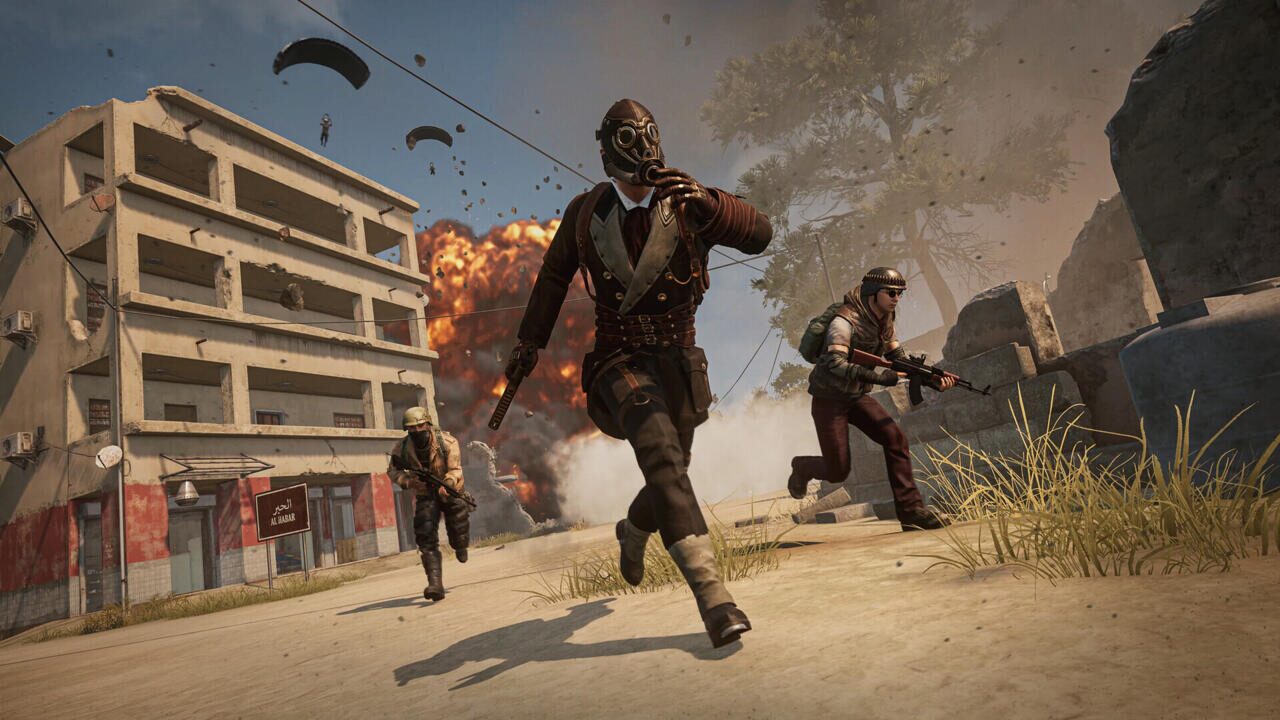
The evolution of the storefront has fundamentally altered how social groups interact with their favorite hobbies. In the past, playing with friends often meant everyone had to buy the same $60 disc; now, free multiplayer games and free co-op games act as digital town squares where anyone can join regardless of their budget. This shift toward accessibility has made free online games the dominant force in the industry, particularly in the free battle royale and free action games sectors where a high player count is necessary for the game’s survival.
- Free online multiplayer games on Steam without subscription ensure that the player base remains active and diverse.
- Free survival and battle royale games on Steam have moved away from “pay-to-win” models to keep the competitive integrity intact.
- Best free Steam games for action and adventure lovers now include deep, episodic content that rivals traditional RPGs.
Modern Standards for Free Games in Steam

By 2026, the criteria for a successful “zero-dollar” title have become incredibly strict. Players are no longer satisfied with “cheap” experiences; they demand high-quality free PC games on Steam with positive reviews. The evolution of user feedback systems has empowered the community to filter out aggressive monetization. When looking for the Steam free games list updated for 2026, players now prioritize transparency and fair play, often rewarding developers of “Very Positive” titles with voluntary purchases of cosmetic items or supporter packs.
- The Steam F2P category is now a curated space where quality is enforced by the community’s voice.
- “Free to Keep” licenses have become a primary tool for publishers to revitalize aging franchises.
- Tracking tools now allow gamers to compare “Review Evolution” to see if a game has improved its economy over time.
Reflections on a Decades-Long Transformation
The journey of the Steam storefront highlights a remarkable truth: the most expensive games to produce are often the ones that cost the player the least to start. The world of Free Games in Steam has grown from an experimental side-project into the very foundation of modern PC gaming culture. As we look forward, the boundaries between free and premium continue to dissolve, offering a future where the only limit to a player’s experience is their curiosity rather than their bank account. This transition ensures that the platform remains the most inclusive and vibrant gaming hub in the world.