
Two Stories, One Tearful Moment: How Media and Fans Interpreted Bryce Cotton’s Round 9 Breakdown Differently
November 20, 2025

When Bryce Cotton walked off the court in tears during NBL Round 9, Australia didn’t get one story. It got two. Media outlets immediately began reporting possible reasons—injury, illness or emotional overload. Meanwhile, fans across the country reacted from the heart, expressing worry, admiration and confusion. As updates rolled in from News.com.au, 7News, Nine and Fox Sports, the gap between media analysis and public feeling became clear. Cotton’s moment wasn’t just emotional. It revealed how differently Aussies interpret raw vulnerability from a star athlete (NBL Round 9 Cotton).
The Media Looked for Logic First
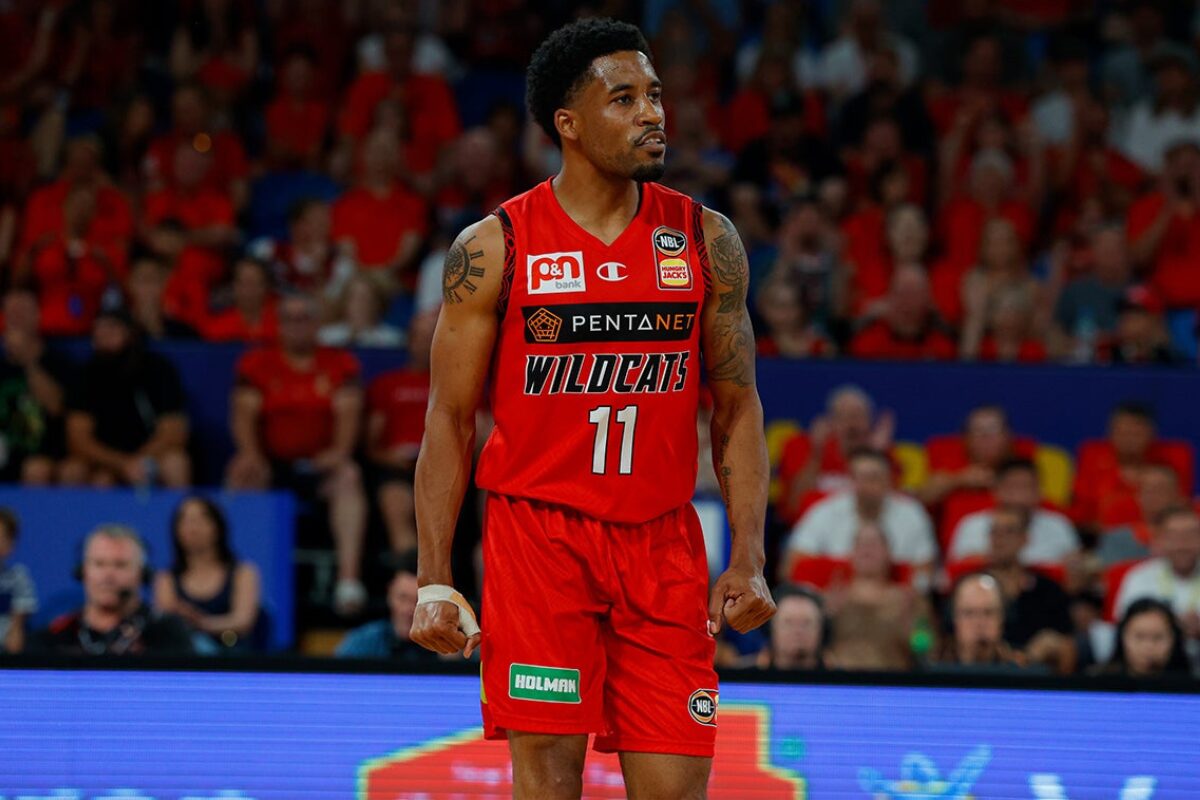


Journalists tried to understand the cause. They reviewed footage, checked sideline updates and spoke with club sources. Early reports suggested illness. Others mentioned fatigue. News outlets searched for a factual explanation because that is their role. They needed answers quickly, so their reaction centred on analysis rather than emotion.
Fans Responded From the Heart, Not the Head


Aussie fans reacted instantly and emotionally. Social media filled with messages of worry and support. Many people said they felt a pang in their chest when they saw Cotton’s face. Others wrote that they had never seen him look that vulnerable. While media outlets searched for facts, fans responded with empathy and instinct.
Two Narratives Formed Before the Truth Came Out
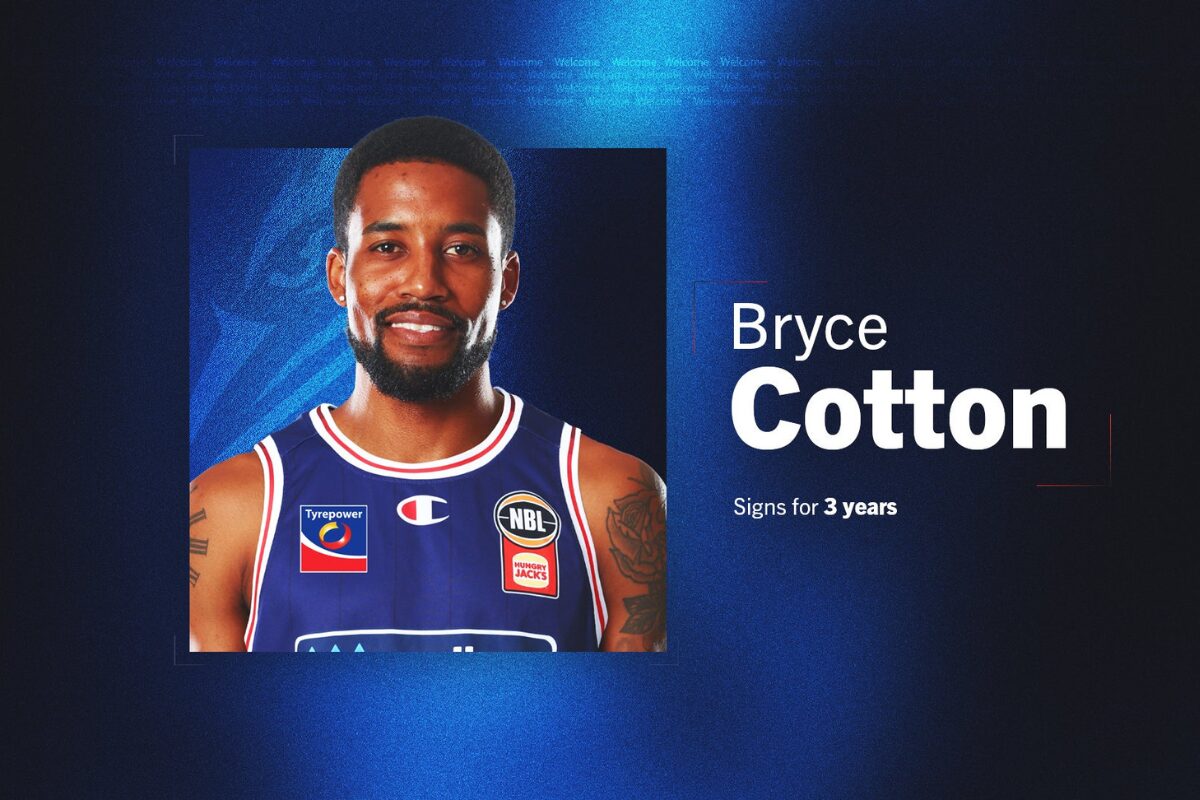
The media narrative was: “What caused this?” The fan narrative was: “Is he okay?” These perspectives ran side by side for most of the night. One focused on reasons. The other focused on feelings. Both were valid, but they created a unique tension around the story.
Cotton’s Own Explanation Shifted Both Narratives : NBL Round 9 Cotton
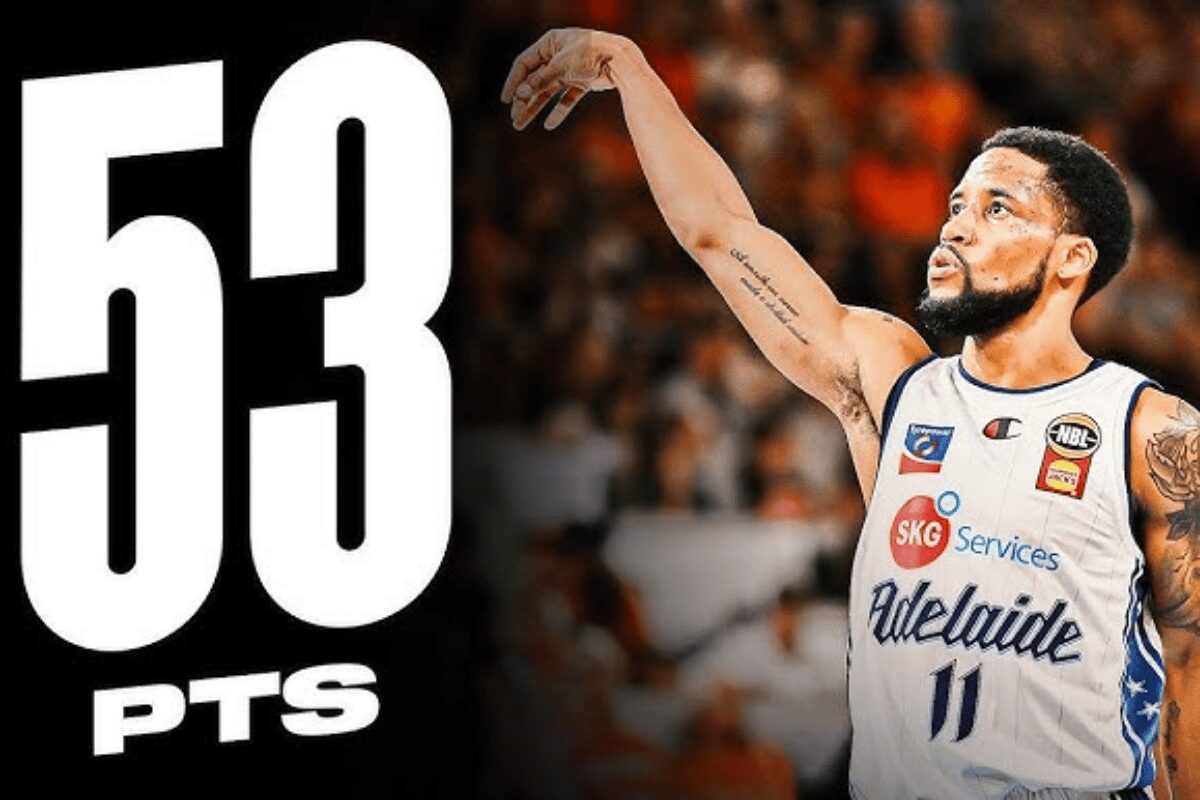
When Cotton later said, “I was dealing with a lot,” it changed everything. Media outlets used the quote to confirm that illness and emotional strain were the core issues. Fans used the same quote to express deeper respect and admiration. His honesty brought both perspectives closer together, bridging the gap between analysis and emotion.
The Coach’s Gesture United Everyone (NBL Round 9 Cotton)
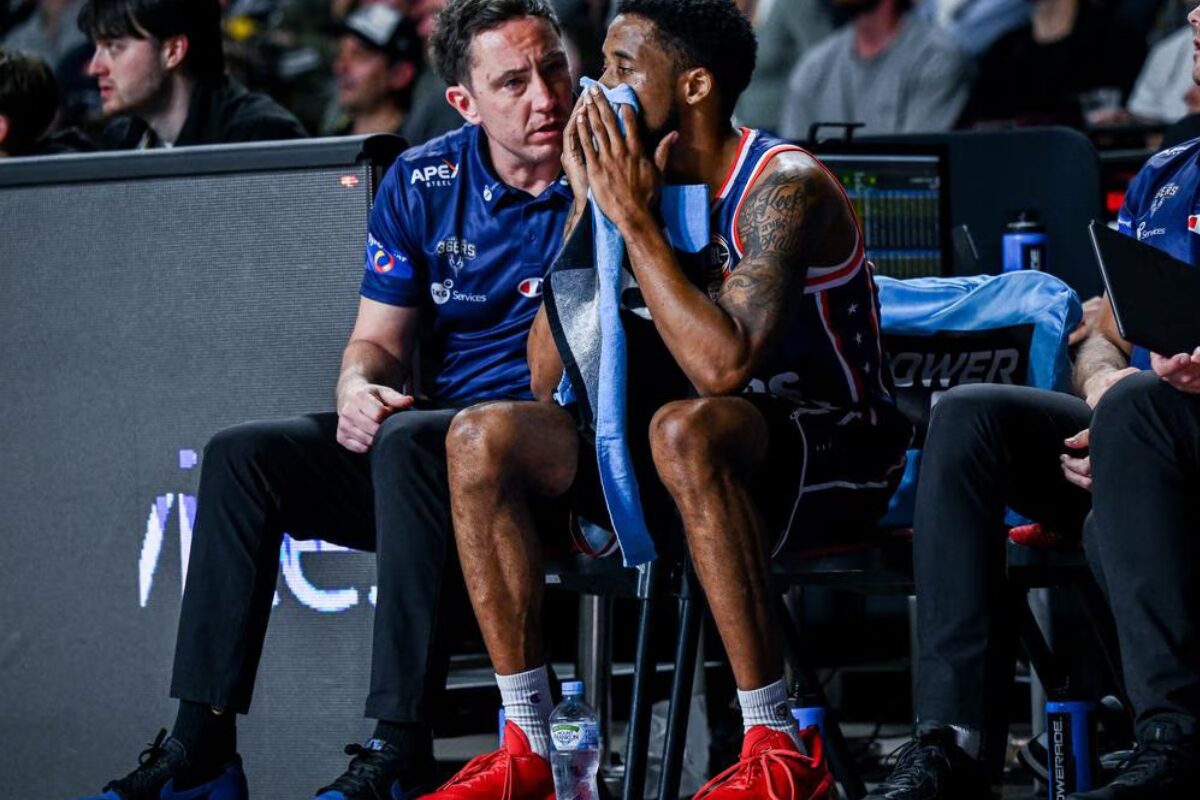
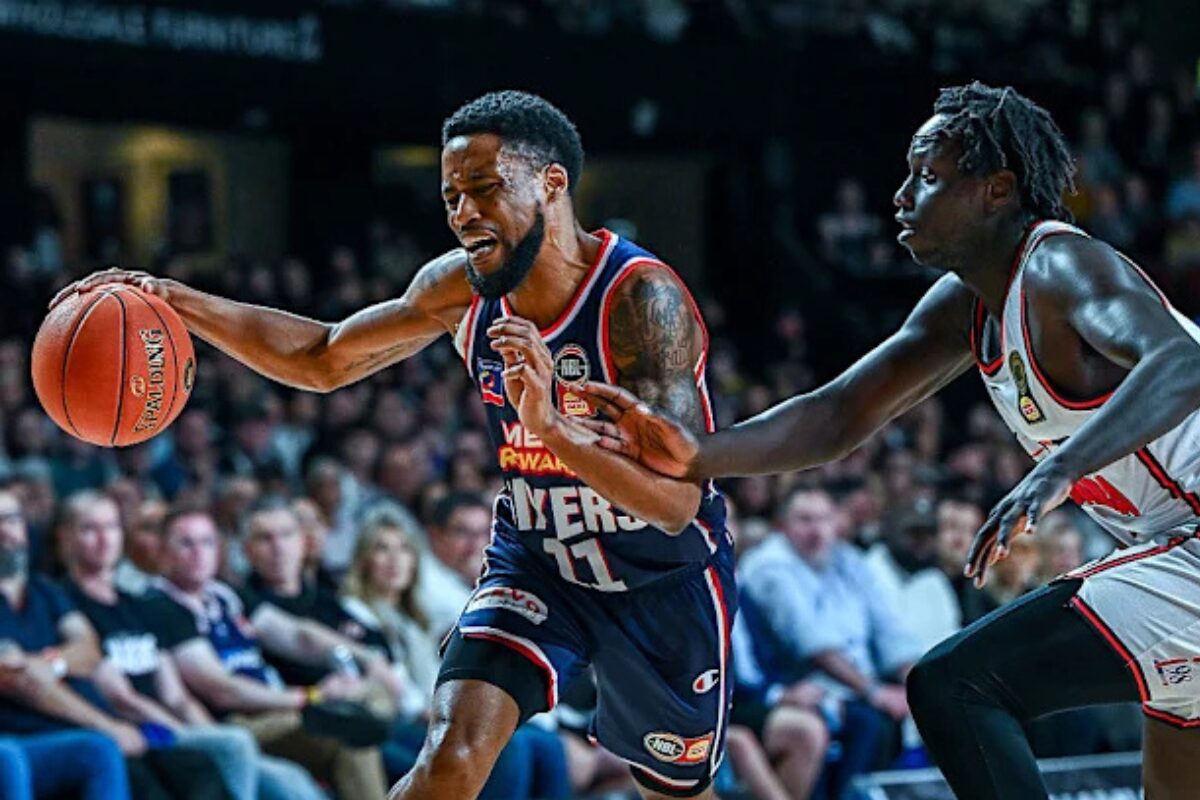
The moment his coach placed a hand on his back became a turning point. The clip spread across news broadcasts and social media at the same time. Media outlets called it “a moment of care.” Fans called it “beautiful” and “gut-punching.” For once, both groups saw the story the same way. It was human, raw and real.