
Chaos is King: Why Jordan Smith’s $1 Million Heist is Exactly What Tennis Needed
January 14, 2026

Let’s be honest: tennis is often too long, too predictable, and too protected. The One Point Slam at the Australian Open 2026 just smashed that status quo into pieces. For years, the Big Three and their successors have enjoyed the safety net of five-set matches, where one bad serve or a mental lapse doesn’t end the night. But under the lights of Rod Laver Arena, that safety net was incinerated.
This wasn’t just a tennis exhibition; it was a brutal reality check for the global elite. Seeing a multi-millionaire superstar sweat over a single serve against a guy who teaches kids in Sydney’s northwest was the most honest moment the sport has seen in decades. The format didn’t “ruin” the game—it exposed the fact that under extreme pressure, the gap between a pro and a high-level coach is a lot smaller than the ATP would like you to believe.
The Myth of the Unbeatable Professional
The narrative that amateurs can’t compete with the stars was officially buried by Jordan Smith. We love to put players like Jannik Sinner or Carlos Alcaraz on pedestals, but Smith’s run proved they are human. By utilizing his “Amateur Advantage,” Smith didn’t just play tennis; he played the man across the net. He knew the pros were terrified of losing their reputation to a “nobody,” and he used that fear as a weapon.
The technical disparity was largely mitigated by the rulebook, which I’d argue should be standard for all “pro-am” crossovers. When you strip away the endurance element, you’re left with raw nerves and ball-striking. The table below shows why the “professional” tag didn’t save the stars from Smith’s “brick wall” mentality:
| The “Hot Take” Factor | Jordan Smith (The Hero) | The Top 10 Elite (The Victims) |
|---|---|---|
| Mental Baggage | Zero. Just playing for a house. | Massive. “I can’t lose to a coach.” |
| Risk Profile | High-percentage, safe returns. | Panicked winners and double faults. |
| Serve Reliability | Two attempts (High comfort). | Single attempt (Maximum stress). |
| Crowd Support | 100% Homegrown underdogs. | Confusion and mounting pressure. |
Why Sinner and the Superstars Choked
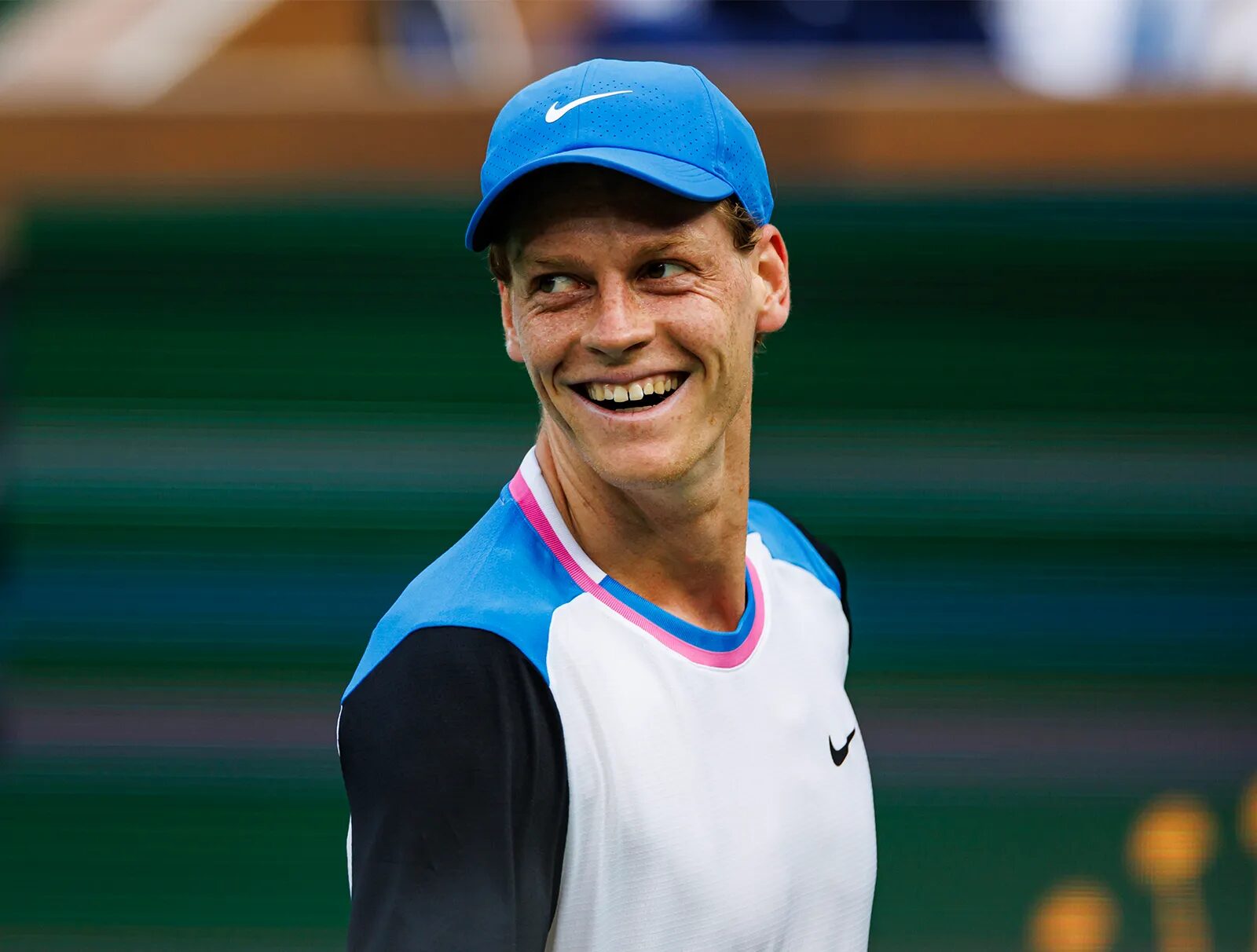
Purists will call it a fluke, but let’s call it what it really was: a collective choke. Watching Jannik Sinner double-fault against a coach is the ultimate proof that the One Point Slam is the great equalizer. These pros are used to “finding their rhythm” over three hours. When you tell them they have exactly ten seconds to justify their ranking, they crumble. It’s not a gimmick; it’s the ultimate test of clutch performance.
Smith didn’t need to hit 200km/h aces to win. He just needed to stay in the court. The “elite” failed because they couldn’t handle the following:
- The Single Serve Rule: It turned the world’s best weapons into liabilities.
- The Reputation Risk: Nick Kyrgios and others were clearly more worried about the memes than the point.
- The Amateur Skill Level: Amateur tennis at the high end (like NCAA Div 1) is a lot closer to the pros than people admit.
- The Speed of Play: There was no time to adjust, no coach to look at in the box, and no towel-break to stall.
Joanna Garland: The Only Pro Who Actually Showed Up
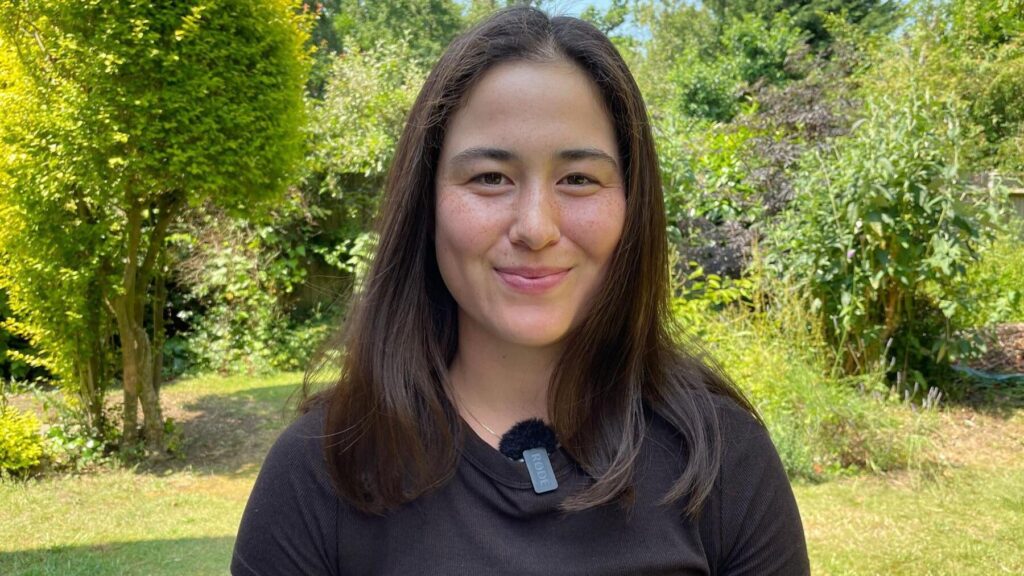
If there is any professional who deserves a “pass” this week, it’s Joanna Garland. While the big names were busy falling over themselves, the World No. 117 showed the “Radiohead” focus that the Top 10 lacked. She didn’t treat this like a tennis exhibition; she treated it like a career-defining moment. She was the only pro who understood that in a one-point format, ego is your biggest enemy.
Garland’s run to the final—knocking out Zverev and Vekic—was a masterclass in professional humility. She didn’t try to be flashy; she just tried to be better than the person across the net. It’s a shame she fell just short in the final, but being the Joanna Garland One Point Slam runner up actually boosted her stock more than a random WTA 250 win ever could. She proved that she belongs on the big stage, regardless of the format.
The Million-Dollar Return on Investment
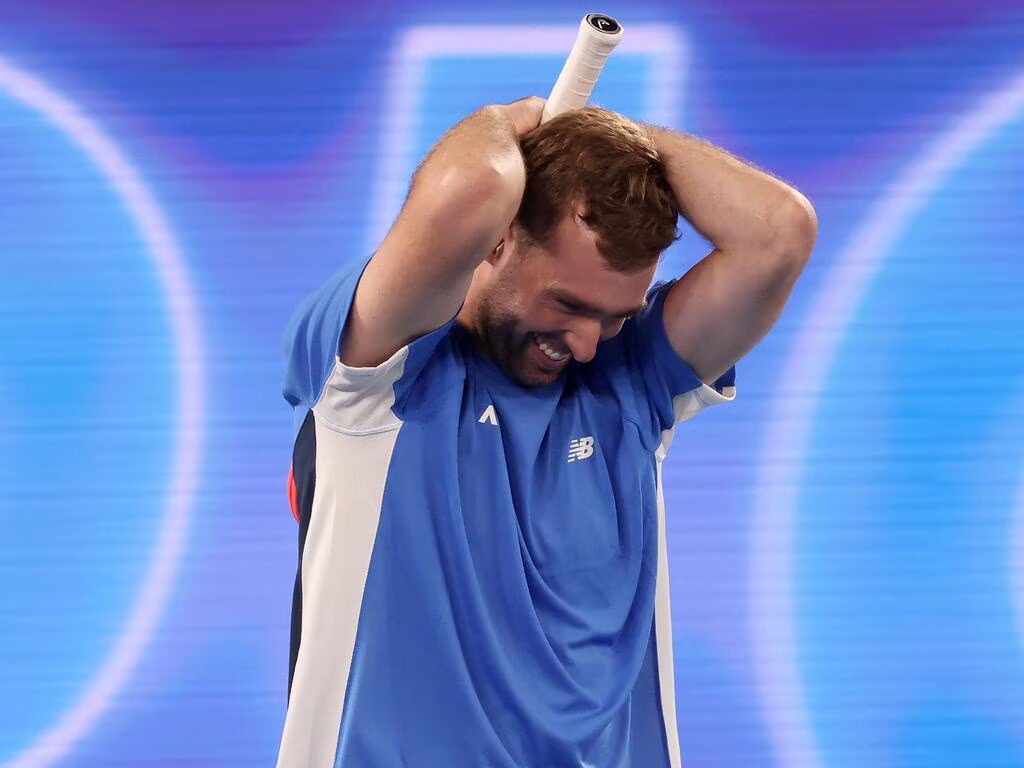
Critics are complaining about the $1,000,000 payout to an amateur, but from a marketing perspective, it’s the best money Tennis Australia has ever spent. Every news outlet from Sydney to London is talking about Jordan Smith. You can’t buy that kind of viral engagement with a standard tournament. This event proved that fans are hungry for stakes, not just “quality” or “tradition.”
Seeing Smith talk about buying “half a house” in Sydney makes him infinitely more relatable than a pro talking about their private jet. The $50,000 for the Castle Hill Tennis Academy is the cherry on top. This wasn’t just about a tennis prize money check; it was about validating the thousands of coaches and “former juniors” who keep the sport alive. If the ATP is smart, they’ll stop looking down their noses at this format and start taking notes.
Conclusion: A Wake-Up Call for the Sport – One Point Slam
The results of the Australian Open exhibition event 2026 should serve as a wake-up call. The One Point Slam isn’t a threat to the Grand Slams; it’s a necessary shot of adrenaline for a sport that can often feel stale. Jordan Smith isn’t just a “lucky coach”—he’s the man who walked into a lion’s den and walked out with the lion’s share of the cash.
Whether you’re looking for where to watch the One Point Slam highlights or you’re still fuming about Sinner’s double fault, you can’t deny that you were watching. Tennis needs more of this chaos, more of these stakes, and more people like Jordan Smith reminding us that on any given Sunday, the king can be toppled by a single swing. The era of the predictable marathon is over; the era of the million-dollar point is just beginning.