
Fixing the Sandbox: How Modern Design Heals the Open-World Experience
February 8, 2026

For years, the genre struggled with a growing frustration known as “map-marker fatigue.” Players were overwhelmed by hundreds of icons that felt like a digital to-do list rather than a genuine adventure. In the context of an open world game 2026, developers have shifted toward a “subtraction” philosophy. Instead of filling space with busywork, they are prioritizing quality over quantity. This approach treats the player’s time as a premium resource, ensuring that every mile traveled contains a unique encounter or a narrative beat rather than just another repetitive collectible.
| The Common Problem | The Modern Solution | Key Examples |
|---|---|---|
| Map Overload | Minimalist UI and organic landmarks. | Elden Ring, Ghost of Yotei |
| Empty Vistas | Vertical density and interior exploration. | Cyberpunk 2077 |
| Repetitive AI | Dynamic schedules and reactive NPCs. | Kingdom Come 2 |
| Static Stories | Choice-driven world consequences. | Baldur’s Gate 3 |
Solving the “Empty World” Syndrome Through Density
One of the most vocal complaints among fans of adventure games was the presence of massive, hollow environments that felt like beautiful but dead shells. The solution in 2026 has been a pivot toward “interactivity and density.” Rather than making maps bigger, studios are making them deeper. In titles like Cyberpunk 2077, the fix was found in verticality—building up instead of out—so that a single city block offers more gameplay than an entire desert. This ensures that the player’s curiosity is constantly rewarded by a door that actually opens or a merchant with a unique story.
- Interior Access: A higher percentage of buildings are now fully explorable without loading screens.
- Environmental Storytelling: Using the placement of objects to tell a story, reducing the need for long text logs.
- Vertical Layering: Utilizing rooftops, sewers, and multi-level structures to maximize playable space.
Overcoming Hand-Holding in an Open world game 2026
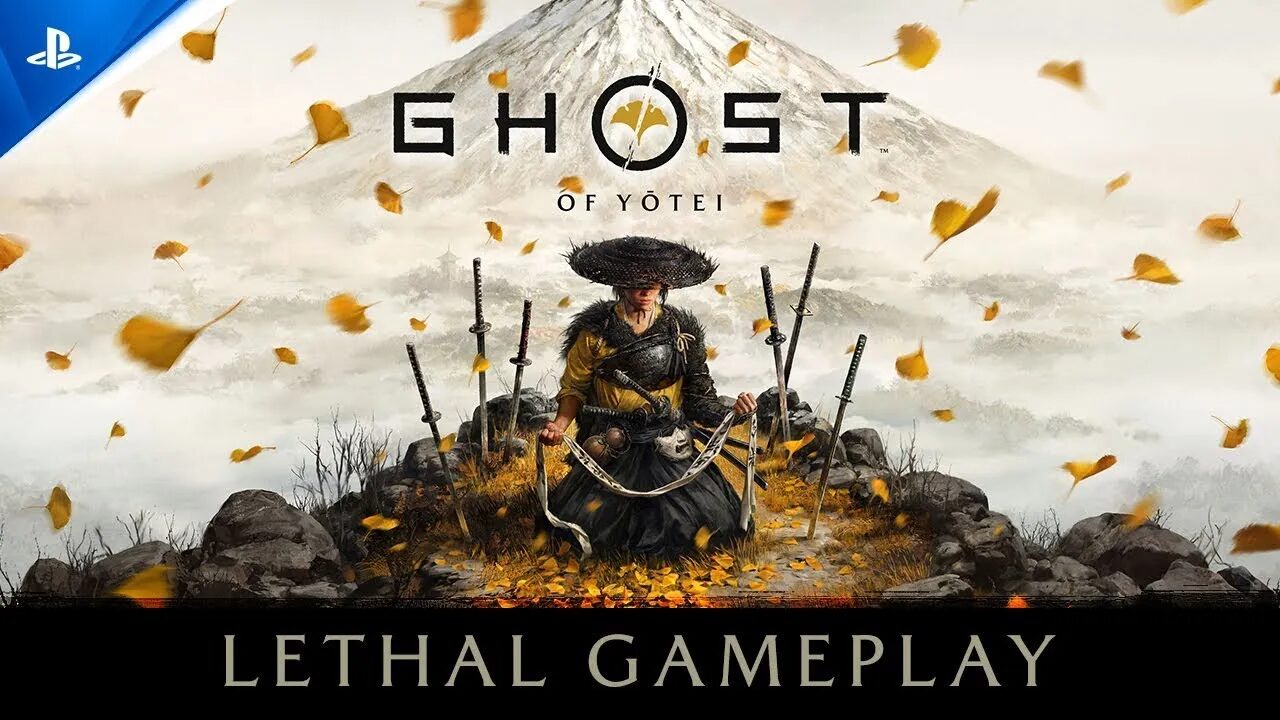
Another hurdle for the genre was the “GPS problem,” where players spent more time looking at a tiny circle in the corner of the screen than the actual game world. To solve this, exploration games have embraced “diegetic navigation.” By using smoke on the horizon, the direction of the wind, or the sound of distant waterfalls, games like Ghost of Yotei and Tears of the Kingdom guide players naturally. This restores the sense of discovery, as players feel they found a secret through their own observation rather than just following a flashing arrow.
Repairing the Narrative Gap Between Story and Sandbox
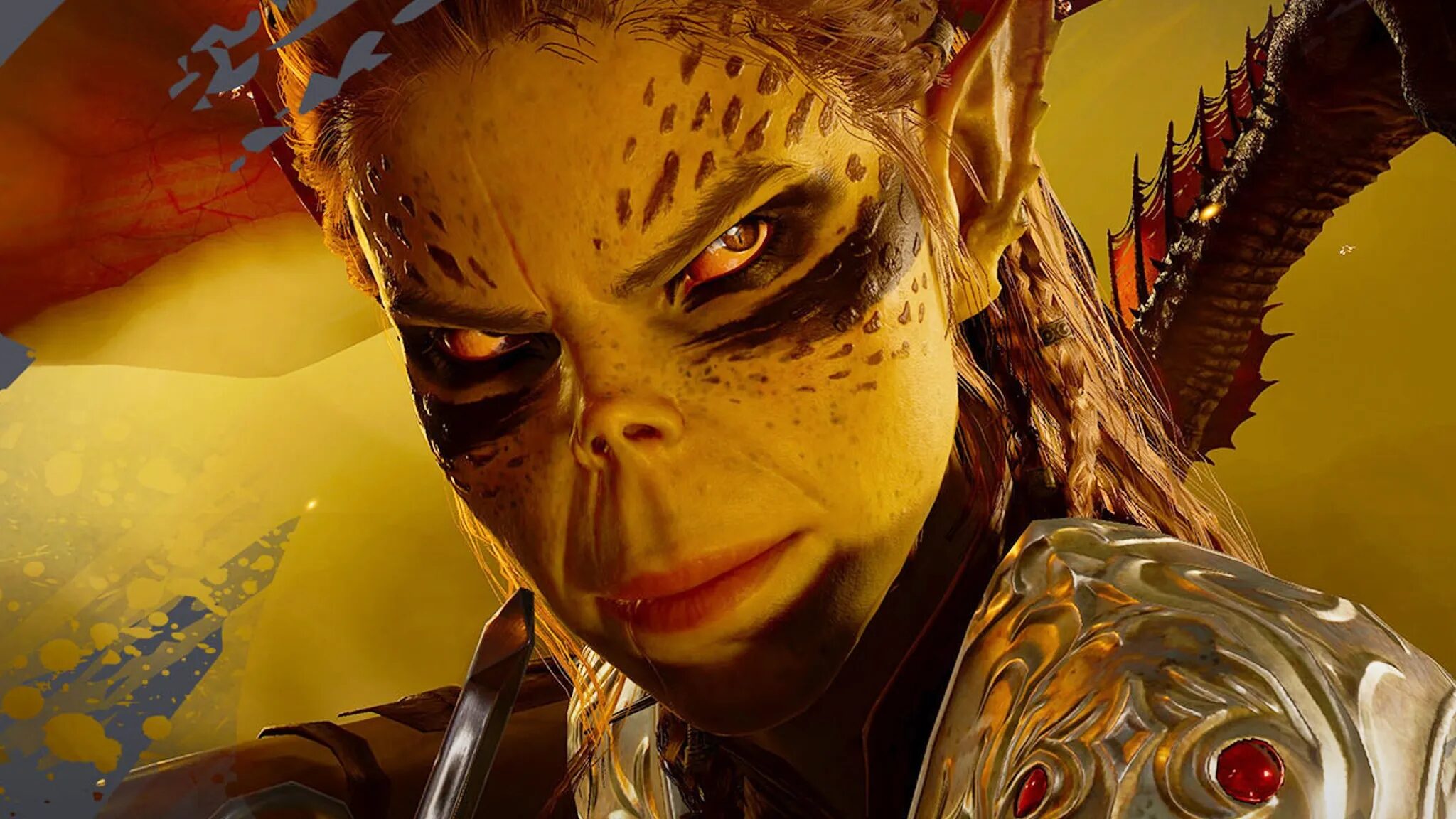
A frequent issue in older RPG open world titles was “ludo-narrative dissonance”—the feeling that the high-stakes main story didn’t match the freedom to wander off and pick flowers. Modern developers are fixing this by integrating the side content into the world’s main conflict. In The Witcher 3 or Baldur’s Gate 3, side quests don’t feel like distractions; they feel like essential world-building. This creates a cohesive experience where wandering away from the main path actually deepens your understanding of the primary plot, rather than pausing it.
- Integrated Quests: Secondary missions that provide resources or political allies for the main endgame.
- World Reactivity: NPCs acknowledging your recent deeds, making the world feel like it is listening.
- Dynamic Events: World-changing occurrences that happen regardless of where the player is in the script.
Tackling Technical Hurdles on Next-Gen Platforms
The frustration of long loading times and technical stuttering once broke the immersion of even the best PC games and PS5 games. The solution came through the optimization of SSD technology and seamless world-streaming. In 2026, we see the results in games like Starfield and the latest updates for No Man’s Sky, where moving from a planet’s surface to the depths of space happens without a break in the action. By removing these technical barriers, developers have finally allowed players to stay fully immersed in the “flow” of the virtual world.
Conclusion: A More Intentional Future for Virtual Exploration
The “Problem-Solution” evolution of the genre has resulted in a landscape that is far more respectful of the player’s intelligence and agency. The open world game 2026 is no longer a collection of chores, but a sophisticated simulation that rewards genuine curiosity. By fixing the flaws of the past—cluttered UIs, empty spaces, and static narratives—developers have created a new gold standard for what it means to escape into a digital reality.
As we look forward to the “Big Three” upcoming titles, it’s clear that the lessons learned over the last few years will define the next decade of gaming. The frustration of the “empty sandbox” is being replaced by the thrill of the “living world,” and for players, the journey has never felt more authentic. The future of the open world isn’t just about going anywhere; it’s about making sure that everywhere you go is worth the trip.