
Rory McIlroy’s Melbourne Reality Check: The Return Australia Didn’t Know It Needed
December 4, 2025

Let’s be brutally honest: the Rory McIlroy Melbourne return arrived with more emotional baggage than competitive certainty. Melbourne didn’t just welcome him back—it elevated him, mythologised him, treated him like a prodigal artist returning to the gallery that once displayed his finest work. But hype can become its own trap, and from the moment he walked onto Royal Melbourne, it was clear the city expected the 2013 version of McIlroy.
Instead, Melbourne got the modern one: brilliant, flawed, charming, chaotic, and absolutely incapable of delivering a boring round.
This return wasn’t just overdue—it was an overdue reality check.
Melbourne’s Crowds Were Outrageous — And They Might’ve Helped and Hurt Him – Rory McIlroy Melbourne return
Let’s talk about the crowd because Melbourne didn’t just show up; it practically stormed the gates. More than 2,000 fans lined up before sunrise, forcing organisers to open early. By the time McIlroy reached the first tee, the galleries looked like it was moving day at a major.
It was astonishing.
It was chaotic.
And yes, it messed with him.
Crowd Impact Table
| Crowd Factor | Why It Mattered |
|---|---|
| Pre-dawn lines | Forced early gate opening → disrupted warm-up rhythm |
| Four-deep galleries | Limited tee box visuals and movement |
| Rolling noise waves | Delayed alignment and pre-shot routines |
| Player reactions | Min Woo Lee stunned by scale of crowd |
Even Adam Scott—cooler than a fridge in a blackout—fed off the energy and surged to -2. McIlroy? He needed time to adjust. Time he didn’t really have.
The atmosphere was electric, but let’s not pretend it was neutral. This was Melbourne at full volume, and McIlroy was the one wearing the microphone.
Royal Melbourne Exposed Him — Not Because He’s Weak, But Because the Course Has No Mercy
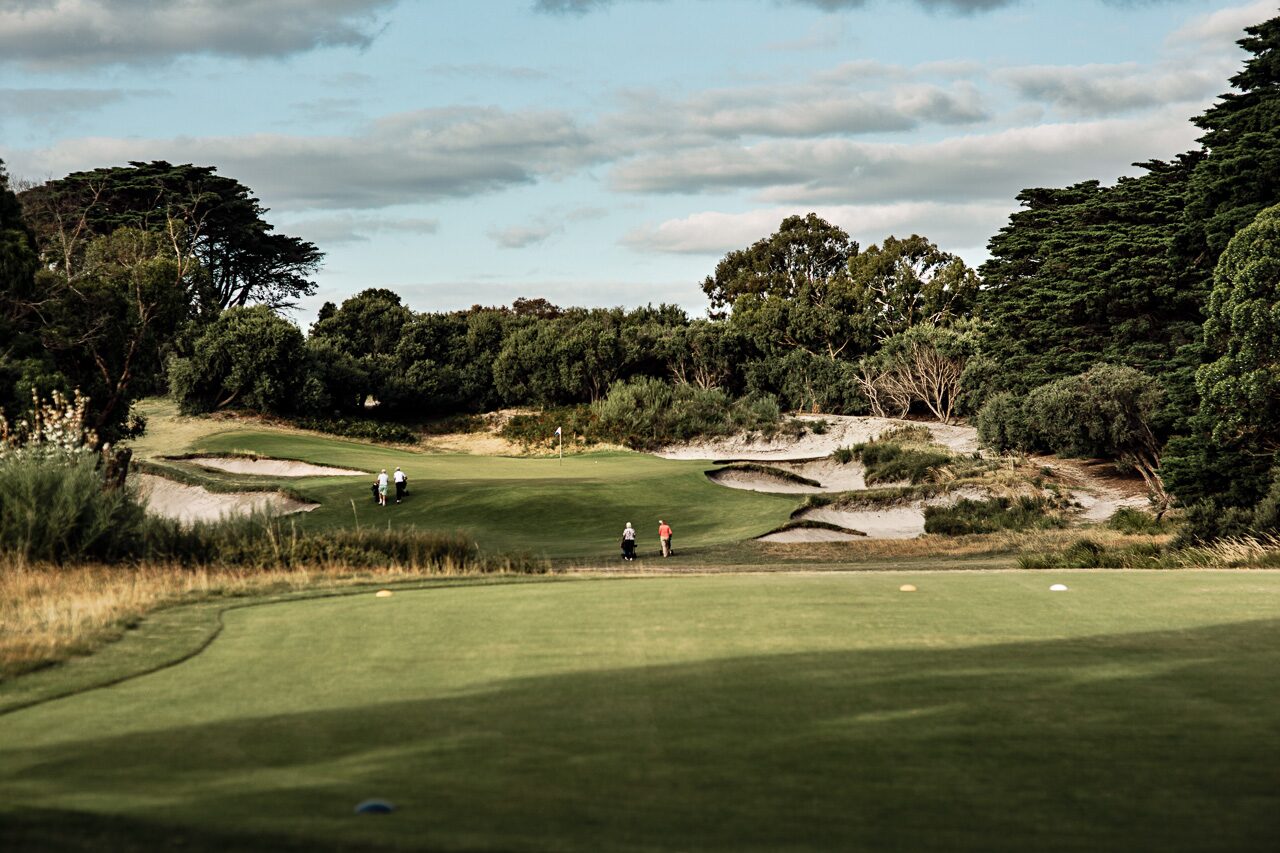
Hot take: this wasn’t McIlroy playing badly. This was McIlroy playing Royal Melbourne, a course that doesn’t care about your ranking, your CV or your social media engagements. The sandbelt demands humility, and McIlroy learned that lesson quickly.
The wind bullied approach shots.
The greens mocked anyone who brought excessive spin.
And the run-offs were waiting like coiled traps.
He woke at 4am for his pre-round routine, then got hit with hay fever so vicious he reached for antihistamines mid-round. Cue the “Benadryl moment,” instantly whispered through the gallery like it was part of the broadcast script.
Examples of how the course dictated terms:
- Low-flight shots ran too far
- High-flight shots ballooned or crashed
- Chips required geometry, not touch
- Even Scott admitted the winds were some of the worst he’d seen here
Royal Melbourne wasn’t hosting McIlroy.
It was interrogating him.
His +1 Didn’t Tell the Truth — The Round Was Way More Chaotic Than the Score – Rory McIlroy Melbourne return

McIlroy’s +1 (72) is one of those scores that fools casual observers. They’ll say, “Not bad.” But the actual round? A complete adrenaline cocktail.
Five birdies.
Six bogeys.
Two missed short putts that sucked the oxygen out of the gallery on 11 and 12.
And shot selections that flickered between genius and gamble.
This was the exact kind of round that explains why he’s loved and maddening in equal measure.
And then there’s the comment that followed him like an echo: his pre-tournament jab that Royal Melbourne “probably isn’t the best course in Melbourne,” giving the nod to Kingston Heath instead. Melbourne fans didn’t forget. When he stumbled early, a voice from the crowd fired: “Tough course now, mate?”
It wasn’t hostile.
It was Melbourne—too honest to resist the punchline.
The Rory Effect Still Changed Everything — And That’s the Part Nobody Can Deny – Rory McIlroy Melbourne return

If you strip away the scorecard and focus on the ecosystem, one truth remains: McIlroy’s presence transformed the Australian Open before a single ball landed. Sponsorship interest lifted. Ticket sales spiked. The field improved because players wanted to be part of an event that suddenly had international weight again.
Si Woo Kim, Ryan Fox, Nicolai Højgaard—players who don’t just wander into any event—made the trip.
Min Woo Lee said the crowd was the biggest he’d ever played in front of.
Cameron Smith seemed caught off-guard by the turnout.
Let’s not forget the viral five-courses-in-one-day stunt, which did more for Australian golf visibility in 36 hours than some events manage in a year.
Australian golf is rising—LIV Adelaide proved that. Social and simulator golf are booming. The younger audience is here. And McIlroy? He didn’t start the fire, but he absolutely poured fuel on it.
The Rory McIlroy Melbourne return was the catalyst the tournament didn’t want to admit it needed.
Conclusion: Rory Didn’t Dominate — But He Made the Event Impossible to Ignore
Here’s the real hot take: McIlroy didn’t need a flawless round to own the day. He needed exactly what he delivered—chaos, charisma, strategic confusion, flashes of brilliance and flashes of humanity. Melbourne responded to all of it, loudly, showing why it remains one of the planet’s most emotionally engaged sporting cities.
Royal Melbourne tested him.
The crowd challenged him.
The moment revived him.
And as the dust settled on that +1 opener, one thing was clear: the Rory McIlroy Melbourne return wasn’t about score. It was about relevance. About narrative. About a sport reconnecting with its audience in real time.
Golf needed this.
Melbourne needed this.
And honestly? So did Rory.