
See Something, Say Something: How to Use the National Security Hotline — A Guide to the Report Suspicious Activity in Sydney
December 19, 2025

After major security incidents or visible police operations, many Sydney residents ask the same question: “What can I actually do to help?” The answer is simpler than most people realise. Australia’s National Security Hotline exists to give the public a safe, confidential way to report information that could prevent violence. Understanding how it works is a practical step anyone can take as part of Sydney terrorism prevention.
Sydney terrorism prevention: What the National Security Hotline Is — and Why It Matters
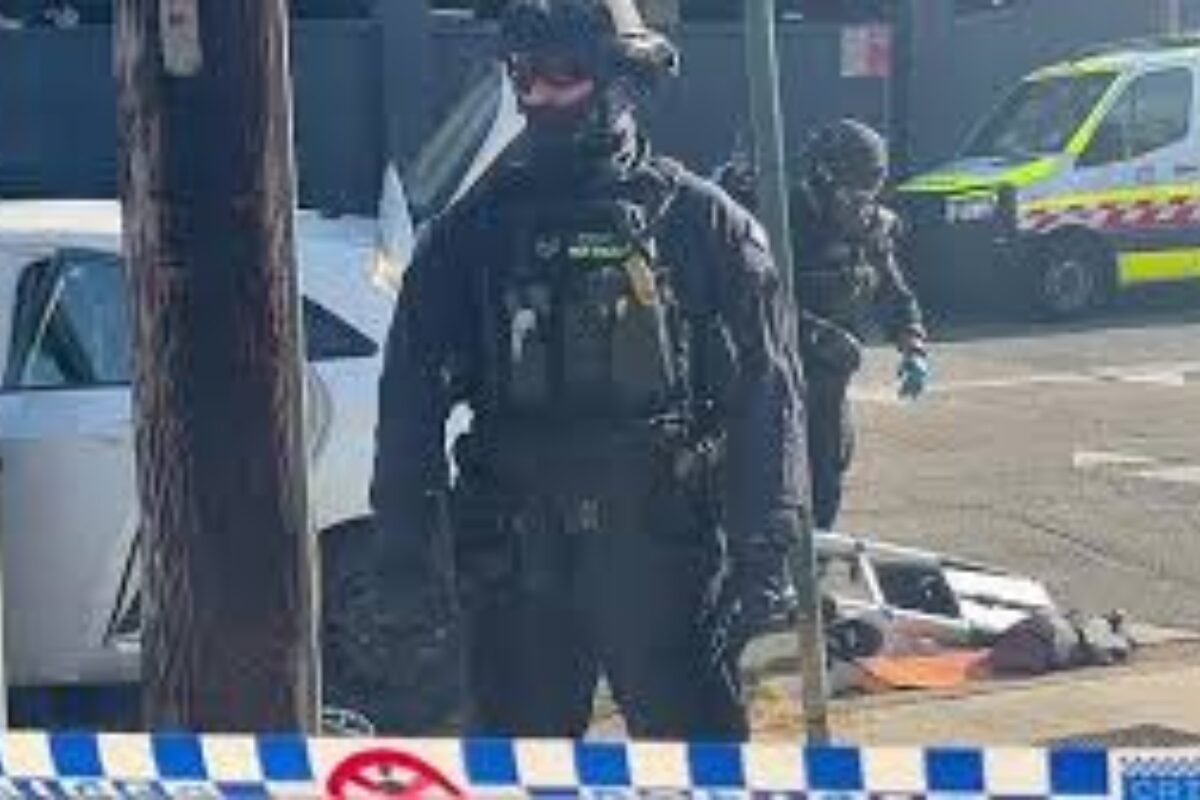
The National Security Hotline is Australia’s central reporting service for concerns related to terrorism or violent extremism. It connects the public directly with trained analysts who assess information and pass credible intelligence to the appropriate agencies, including the AFP and NSW Police. The system allows early intervention, often before any crime occurs.
Sydney terrorism prevention : What You Should Report: Behaviour, Not Background
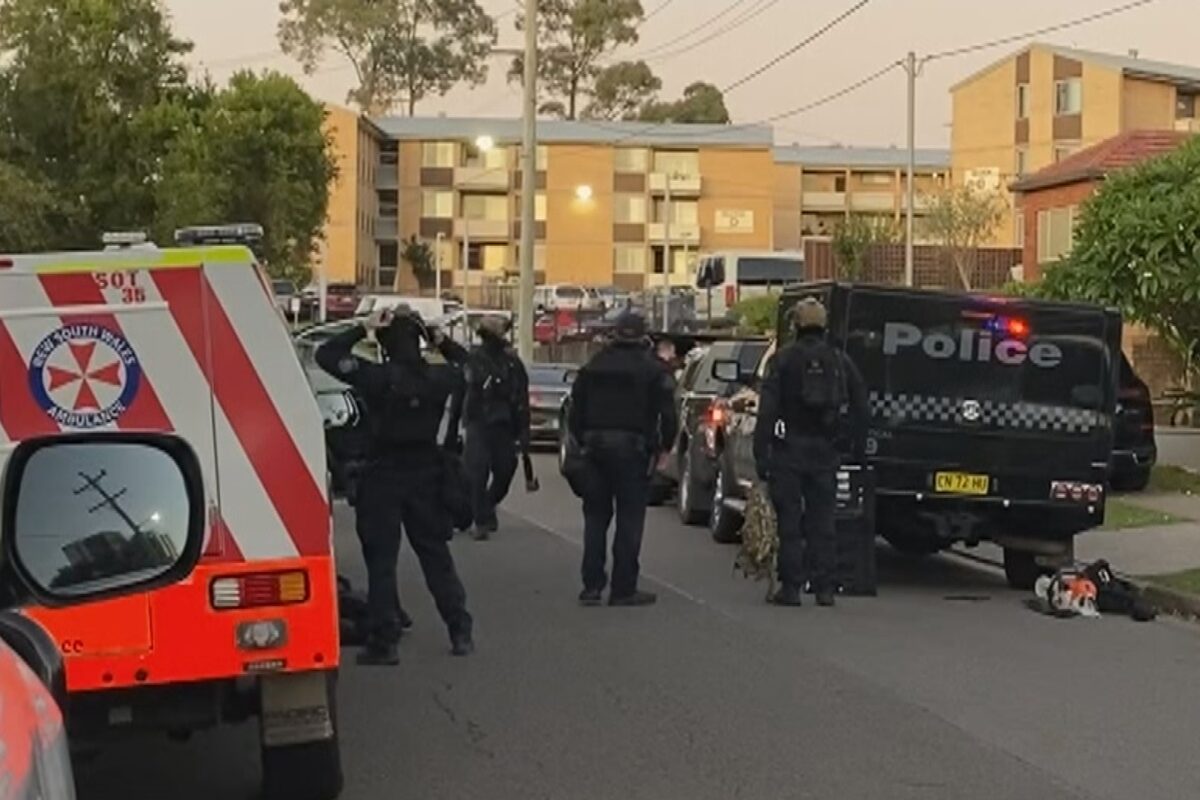
Authorities are clear that reports should focus on observable behaviour and credible warning signs. This can include unusual surveillance of public places, attempts to obtain weapons illegally, abandoned items in crowded areas, or explicit statements promoting violence. Importantly, Sydney terrorism prevention does not rely on reporting people based on race, religion, or appearance. It relies on behaviour that suggests a genuine risk.
Sydney terrorism prevention – How to Make a Report — Step by Step
Reporting is straightforward and confidential. You can call the National Security Hotline on 1800 123 400, submit information online through the Australian National Security website, or report anonymously if you prefer. When reporting, it helps to share clear details about what you observed, where it occurred, and when it happened. Operators are trained to guide callers through the process calmly.
What Happens After You Report Information
Every report is assessed by specialist analysts. If the information is relevant, it is shared with the appropriate authorities for further assessment or action. In many cases, reports contribute to broader intelligence pictures rather than triggering immediate police action. No action is taken unless information is assessed as credible, which helps prevent unnecessary escalation.
Why Public Reporting Is Central to Prevention
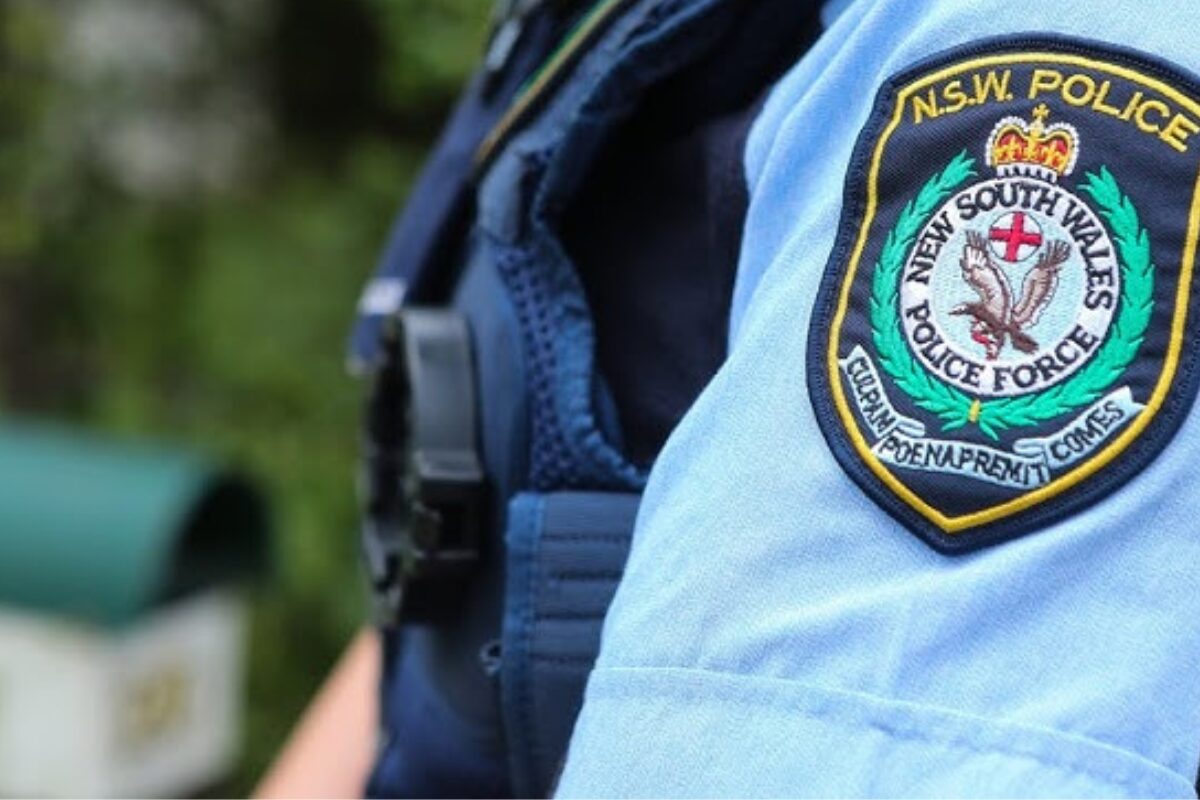
Modern counter-terrorism is built on early signals. Public reporting often fills gaps that technology or surveillance alone cannot cover. Many successful interventions begin with small pieces of information that, when combined, reveal patterns or emerging risks. Sydney terrorism prevention works best when community awareness complements professional intelligence.
Table: National Security Hotline — Key Details
| Item | Information |
|---|---|
| Phone Number | 1800 123 400 |
| Availability | 24/7 |
| Reporting Options | Phone, online, anonymous |
| What to Report | Suspicious behaviour linked to violence |
| What Not to Report | Race, religion, personal beliefs |
| Agencies Involved | AFP, NSW Police, intelligence partners |
Reporting suspicious activity is not about fear or suspicion — it is about responsibility and awareness. The National Security Hotline gives Sydney residents a clear, confidential way to contribute to community safety. By focusing on behaviour and using official channels, the public plays a meaningful role in Sydney terrorism prevention without undermining trust or social cohesion.