
Heatwave vs Weekend Sport: Why Coaches Across Australia Are Entering Emergency Mode
December 7, 2025

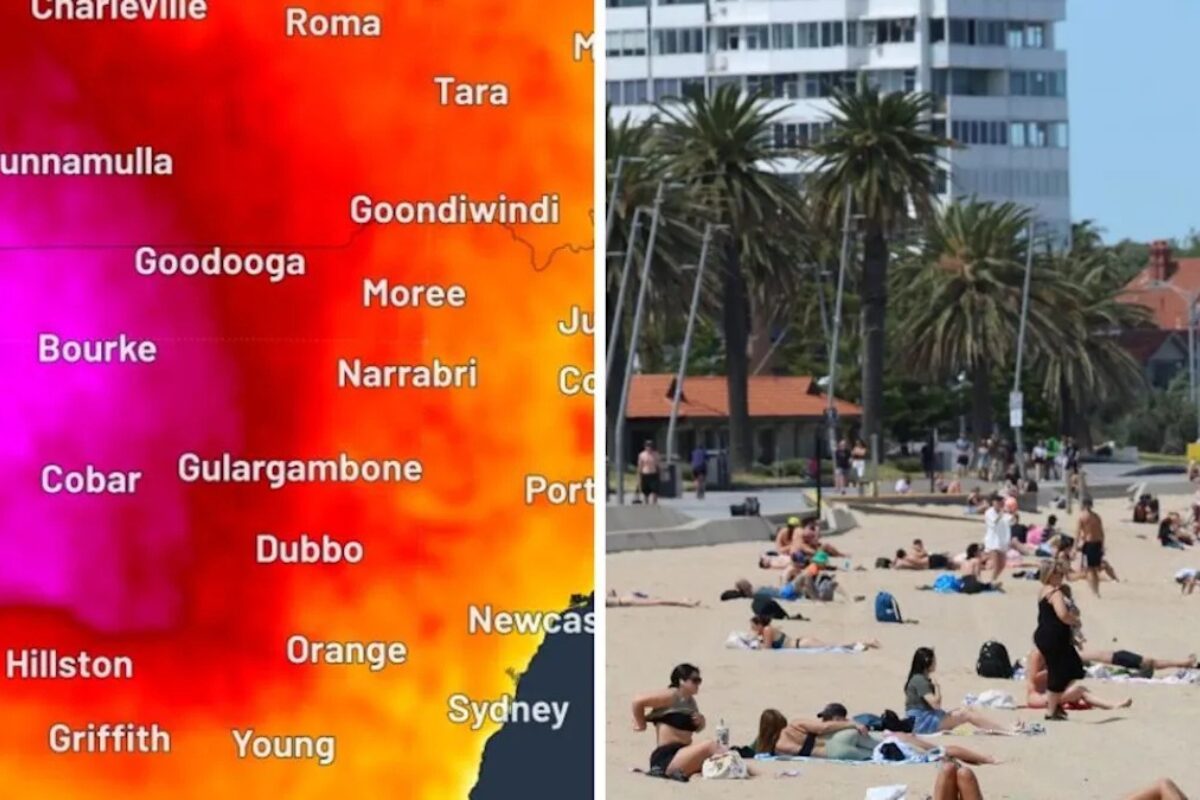
Anyone who’s stood on a footy oval at midday in summer knows Aussie heat can hit like a headshot in a shooter game—sudden, relentless, and draining. But this weekend, the heat isn’t just an annoyance; it’s a full-scale environmental hazard. The Bureau of Meteorology says a slow-moving high-pressure system is locking Australia into a multi-day blast of extreme temperatures, with Sydney’s west expected to soar beyond 40°C. Reports from The Guardian and 7News warn that the heatwave won’t just challenge comfort levels—it will reshape how weekend sport is scheduled, played, and managed. For coaches, trainers, and parents, this is a weekend where the weather becomes the real opponent (Weekend sport heat risks).
The Heatwave’s Meteorological Mechanics Create Dangerous Conditions (Weekend sport heat risks)
This heatwave is powered by a stubborn high sitting over the Tasman Sea, pumping hot inland air into NSW and stretching into Queensland and SA. The SMH notes that heat will intensify Friday, peak Saturday, and finally break late Sunday after a coastal cool change. The problem isn’t just the raw heat; it’s the sustained exposure. Even athletes entering Saturday with good hydration may face a heat load carried over from the previous day.
Outdoor Sport Isn’t Built for These Temperatures –Weekend sport heat risks
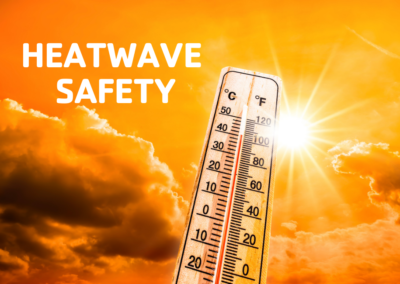
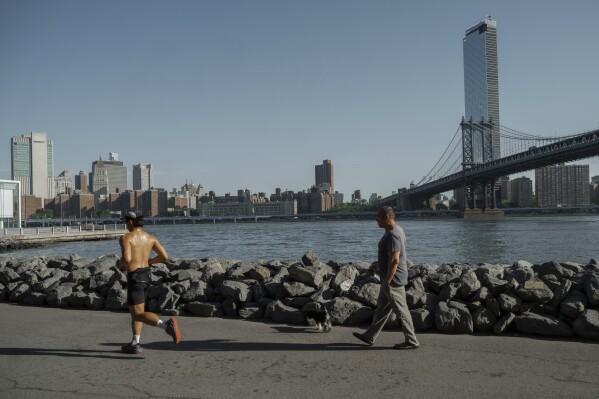
Australia’s weekend sport culture thrives on endurance and toughness, but this heatwave rewrites the safety rules. Cricket players wearing pads, soccer teams running constant sprints, and junior netball clubs stuck on exposed courts all become vulnerable once temperatures reach extreme thresholds. Health officials say heatstroke can develop silently, especially when players ignore early signs, and dehydration accelerates faster than many expect.
Fire Danger Adds a Layer of Complexity to Weekend Fixtures : Weekend sport heat risks


Sky News and 7News both report extreme fire danger zones expected across Sydney, Hunter, Illawarra, and inland NSW. Regional clubs frequently operate near dry grasslands, meaning sport may be cancelled not only for health reasons but due to fire evacuation risks. Matches scheduled for Saturday afternoon, the heatwave’s peak, are the most likely to face disruption. Ground managers have been told to monitor RFS updates closely.
Players Will Move to Beaches and Pools—But That’s Not Risk-Free
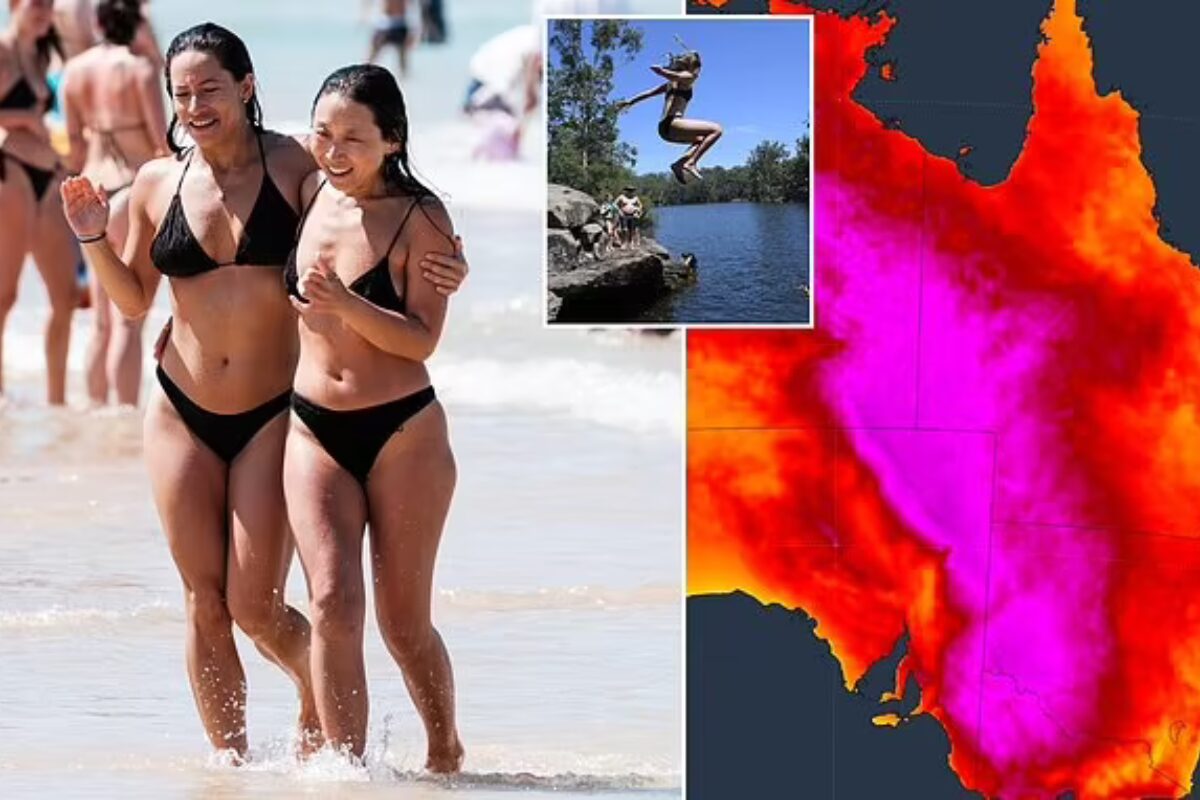
Whenever sport is cancelled, families instinctively head to the coast. But ABC has warned that heatwave-driven beach crowds lead to more rescues and increased drowning risk. Fatigue from extreme heat reduces coordination, and crowded beaches stretch lifeguard teams thin. Even shaded rock pools can become risky when people enter the water already exhausted from the day.
Health and Emergency Services Expect Heavy Demand

NSW Ambulance has already issued warnings, advising athletes to hydrate aggressively, avoid peak heat, and reconsider participation in high-intensity sport. Heatwaves are statistically Australia’s deadliest natural hazard, surpassing floods and bushfires. The Nightly reports that emergency departments expect a surge in heat exhaustion cases, especially among children, older adults, and those with underlying health conditions.
This weekend’s heatwave forces Australian sport to confront a reality we often forget—weather can overpower even the toughest athletes. With temperatures soaring, fire danger increasing, and health risks rising, clubs must prioritise safety over competition. Whether games are cancelled, rescheduled, or heavily modified, the goal is simple: everyone goes home safely. Sport can wait for cooler days.